Species profiles
Sika deer (Cervus nippon)
Sika deer, introduced in the 19th century at Powerscourt, are abundant in Wicklow. They hybridise with red deer, threatening the native Irish lineage.
Fallow deer (Dama dama)
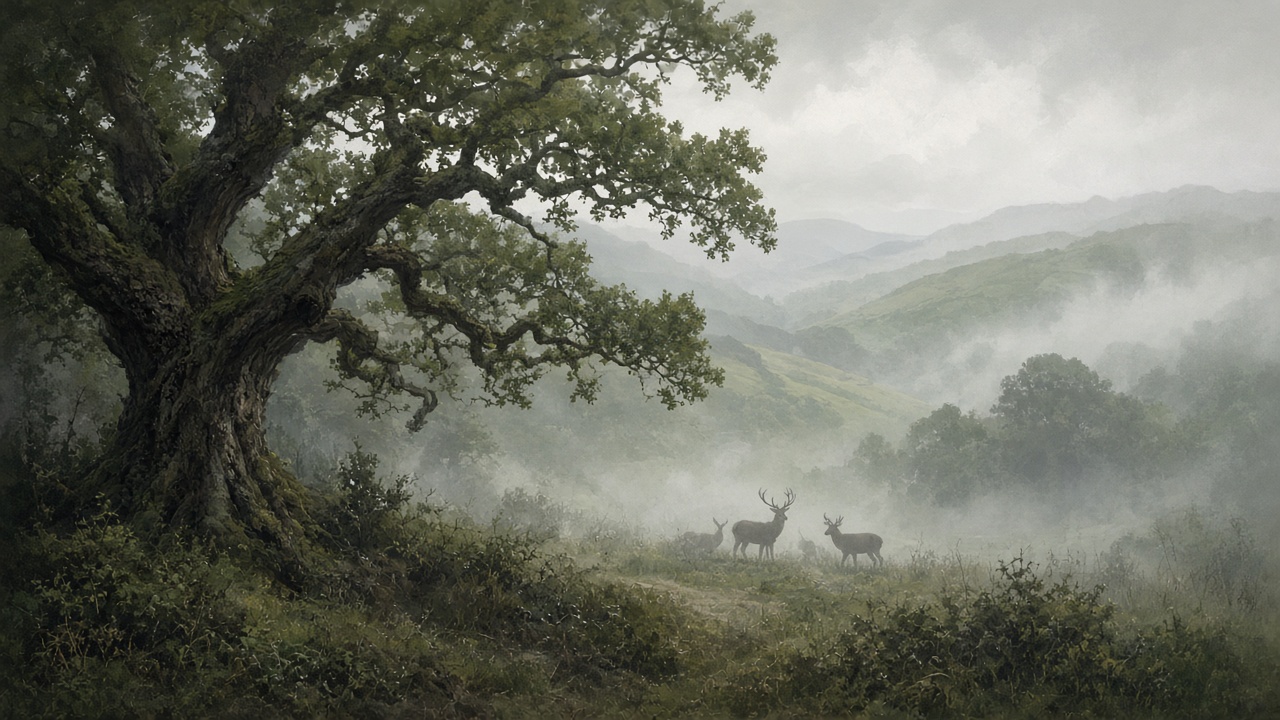
Fallow deer, introduced by the Normans, are Ireland’s most widespread deer. They live in woods and farmland estates.
Eurasian woodcock (Scolopax rusticola)
Migratory woodcock arrive in large numbers in winter. Hunting them is an old tradition, and cold spells can lead to temporary suspensions.
Hunting landscapes
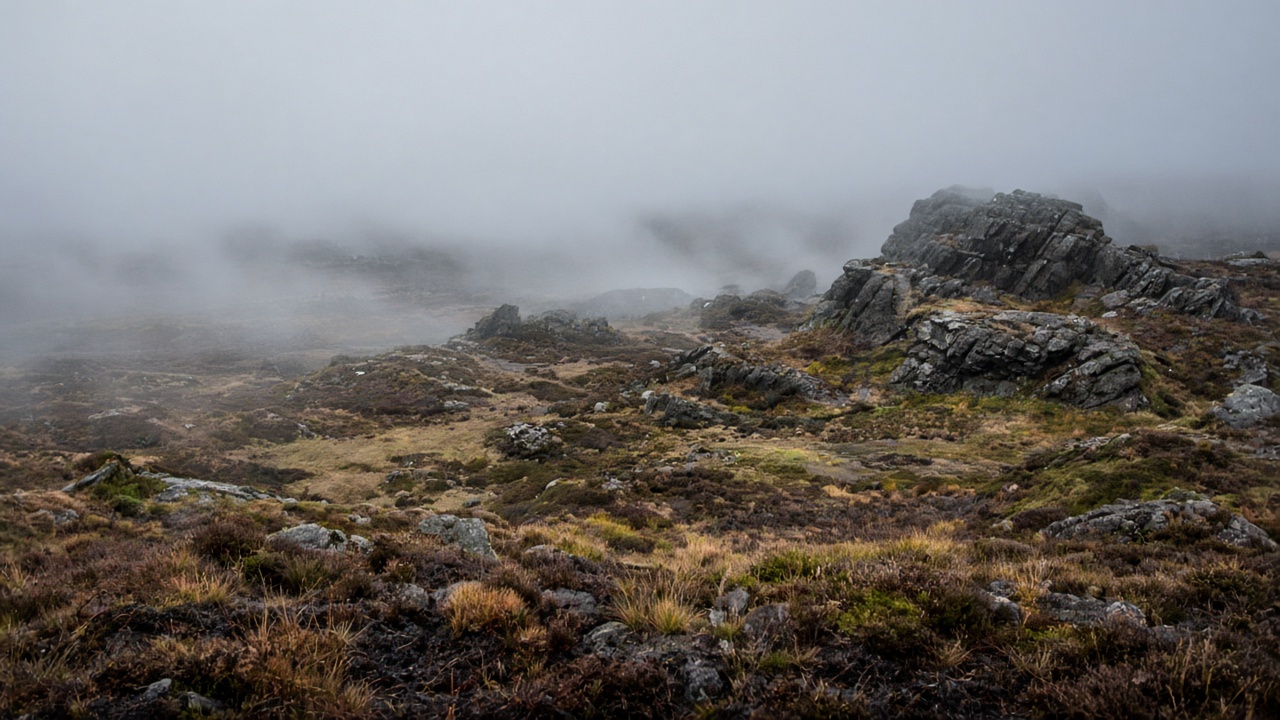
Ireland combines hedged farmland, bogs, hills and low mountains such as the Wicklows, and conifer plantations managed by Coillte. The oceanic climate often makes ground wet.
Hunters from abroad
Foreign hunters must obtain a temporary Irish firearm certificate and, for deer, an NPWS licence. Applications should be prepared well in advance with an organiser or local host.
Deer seasons: what changed in 2024
Deer shooting seasons were lengthened by the 2024 amendment to the wild mammals open seasons order (S.I. 66/2024, dated 27 February 2024). For fallow, sika and red deer, males may be shot from 1 August to 30 April, and females and antlerless deer from 1 November to 31 March; red deer are excluded in County Kerry. Muntjac has a season running from 1 September to 31 August, which is almost year-round. On 29 February 2024 the Ministers announced an immediate extension to 31 March for females and 30 April for males, with the male season opening on 1 August from 2024/25 onwards. The stated reason is overgrazing of native woodland and peatland, following the first recommendation of the Deer Management Strategy Group chaired by Teddy Cashman, whose report set out 15 actions.
Birds: woodcock, snipe, golden plover and mallard
For winged game, the 2023 wild birds open seasons order (S.I. 421/2023) sets woodcock from 1 November to 31 January throughout the State. Snipe, golden plover and mallard run from 1 September to 31 January, while cock pheasant, red-legged partridge and woodpigeon run from 1 November to 31 January. The same text removes goldeneye, pintail, pochard and scaup from the list of huntable species. A cold snap can still lead to a temporary suspension for woodcock, so a published season is not a guarantee that shooting is lawful on a given day.
Cull figures and deer pressure
Official bag figures are self-reported and exclude road collisions and poaching. According to NPWS data reported by RTÉ, 78,175 deer were shot in the twelve months to the end of February 2023, a record, of which 56% were female; the previous period stood at 55,008. Wicklow accounted for 25,727, and seven counties (Wicklow, Cork, Waterford, Tipperary, Kerry, Galway and Clare) for 71% of the total. For the 2023-24 season the Irish Deer Commission, quoted by Agriland, reports 65,547 deer, including 18,936 in Wicklow. The two series cover different periods and should not be added together. There is no national census; in 2022 the strategy group put the population at 600,000 animals, give or take 200,000.
Shooting outside the open season requires a separate permit under section 42 of the Wildlife Act. In 2023, 1,414 such licences were issued and 12,628 deer were shot (6,029 male, 6,599 female), including 6,791 in Wicklow, according to returns received by the NPWS by 28 August 2024.
The deer hunting licence for visitors
The deer hunting licence is annual and runs from 1 August to 31 July. Applications are made online through the Heritage Licensing Portal with a copy of the front and back of the firearm certificate; a first-time applicant without a certificate can supply proof of purchase instead. New applicants must show recognised deer hunting training, or equivalent proof from their country of residence. A non-resident who is not booked through a commercial tour operator must also upload landowner permissions. In 2023, 6,486 deer hunting licences were issued, according to the Irish Deer Commission.
Key figures
| Male deer season (fallow, sika, red) | 1 August to 30 April, red deer excluding Kerry (S.I. 66/2024, Irish Statute Book) |
|---|---|
| Female and antlerless deer season | 1 November to 31 March (S.I. 66/2024, Irish Statute Book) |
| Muntjac | 1 September to 31 August (S.I. 66/2024, Irish Statute Book) |
| Woodcock | 1 November to 31 January (2023 order, Irish Statute Book) |
| Snipe, golden plover, mallard | 1 September to 31 January (2023 order, Irish Statute Book) |
| Deer shot, twelve months to February 2023 | 78,175, of which 56% female (NPWS, via RTÉ, 17 September 2024) |
| Section 42 licences in 2023 | 1,414 licences, 12,628 deer shot (NPWS, returns to 28 August 2024) |
| Deer hunting licences in 2023 | 6,486 (Irish Deer Commission, via RTÉ) |
| Deer population | About 600,000, plus or minus 200,000: 2022 estimate, no census (Irish Times, 2 June 2026) |