Aunerys
Hunting Fishing · soon
FR EN ES
Techniques · 2 min read

Hunting methods in Canada: calling, decoys and local practice

Calling and decoys: the hunting methods practised in Canada, how each one works in the field and the species it targets (moose, white-tailed deer, Canada goose).

Byline: Noah Tremblay Published Updated
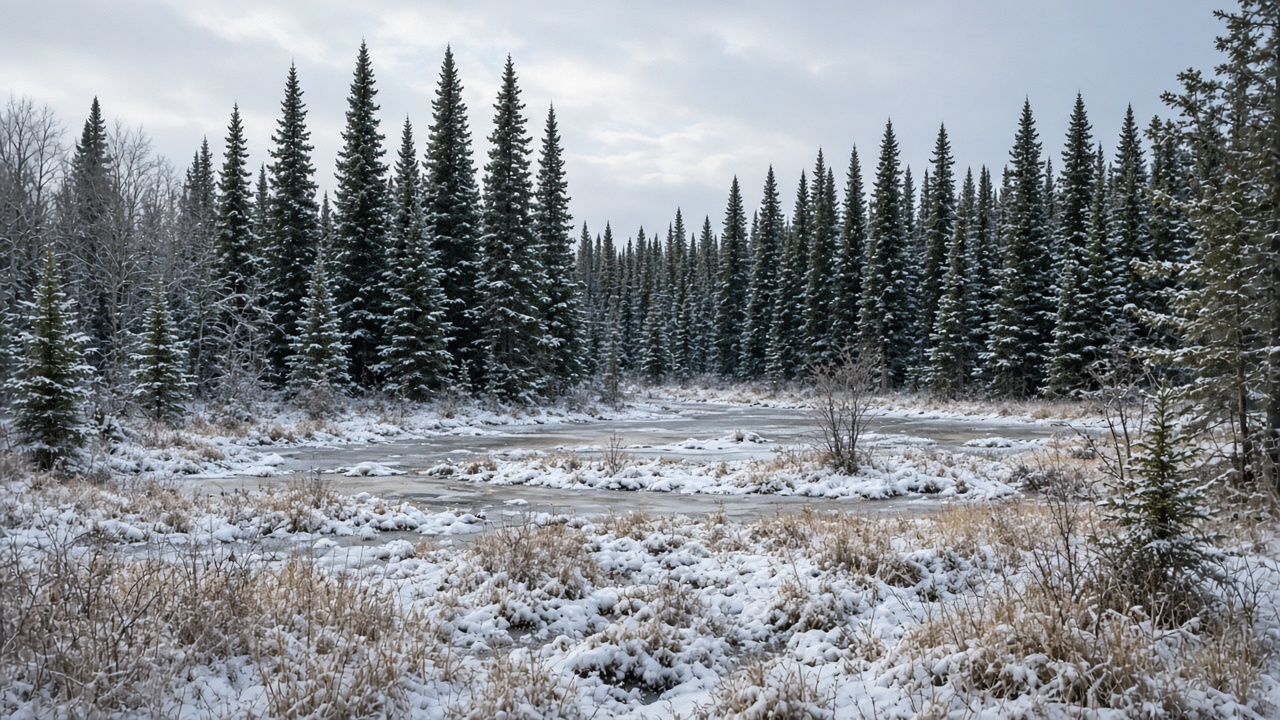
Natural landscape in Canada — AI-generated illustration AI-generated illustration for Aunerys
Short answer

The main hunting methods are calling, decoy hunting. Key species include moose (Alces alces), white-tailed deer (Odocoileus virginianus), Canada goose (Branta canadensis). Facts compiled on 4 November 2026.

Written by Noah Tremblay Facts compiled on 4 November 2026 Updated
Country fact sheet
Reference authority Provincial and territorial wildlife agencies; Canadian Wildlife Service for migratory birds
Framework law Migratory Birds Convention Act, 1994; provincial wildlife acts
Decision level provincial and territorial, federal for migratory birds
Licence Hunters take a provincial hunter education course and, for firearms, the Canadian Firearms Safety Course, then obtain a Possession and Acquisition Licence (PAL).
Facts compiled on 4 November 2026

Introduction

Hunting in Canada follows well-identified methods, including calling and decoys. The choice depends on the landscape (boreal forest, prairies, the Rockies and tundra) and on the species hunted: moose, white-tailed deer, Canada goose.

How hunting is practised

Calling

Calling moose during the rut imitates a cow or bull to draw the animal in. It is often done from a camp in the boreal forest.

Decoy hunting

Waterfowl are hunted from a blind, with decoys set in fields or on water. Only non-toxic shot is allowed for migratory birds.

Key species

Landscapes, damage and land use

Large wildfires and logging are changing moose and caribou habitat. Warming favours the winter tick, which weakens moose in the East.
Frequently asked questions

Can a foreign hunter hunt in Canada?

In several provinces and territories, non-residents must hunt big game with a licensed outfitter or guide. Temporary firearm import is declared at the border with the federal form.

Destination Canada — hunting and nature →

Conclusion

Calling and decoys are not improvised in Canada: permitted methods, safety rules and open species are set by Provincial and territorial wildlife agencies; Canadian Wildlife Service for migratory birds and by whoever holds the hunting rights.
Sources : Environnement et Changement climatique Canada — chasse aux oiseaux migrateurs; Lois du Canada — Loi de 1994 sur la convention concernant les oiseaux migrateurs
The author Noah Tremblay Articles on provinces, habitats and official sources in Canada. Editorial byline of the Aunerys desk. It does not attest to a verified local expertise. View profile →

Read next

Boreal pine forest under northern light, Sweden — AI-generated illustration AI-generated illustration for Aunerys
Field guide · 2 min

Moose hunting in Sweden: teams, dogs and stalking

Natural landscape in Switzerland — AI-generated illustration AI-generated illustration for Aunerys
Field guide · 6 min

Hunting methods in Switzerland: licence hunting, leased grounds and local practice

Natural landscape in Australia — AI-generated illustration AI-generated illustration for Aunerys
Field guide · 2 min

Hunting methods in Australia: stalking, hounds and local practice