Aunerys
Hunting Fishing · soon
FR EN ES
Territories · 2 min read

Hunting in Canada: landscapes, species and organisation

An overview of hunting in Canada: boreal forest, prairies, the Rockies and tundra. Key species (moose, white-tailed deer, Canada goose), main hunting methods and the reference authority.

Byline: Noah Tremblay Published
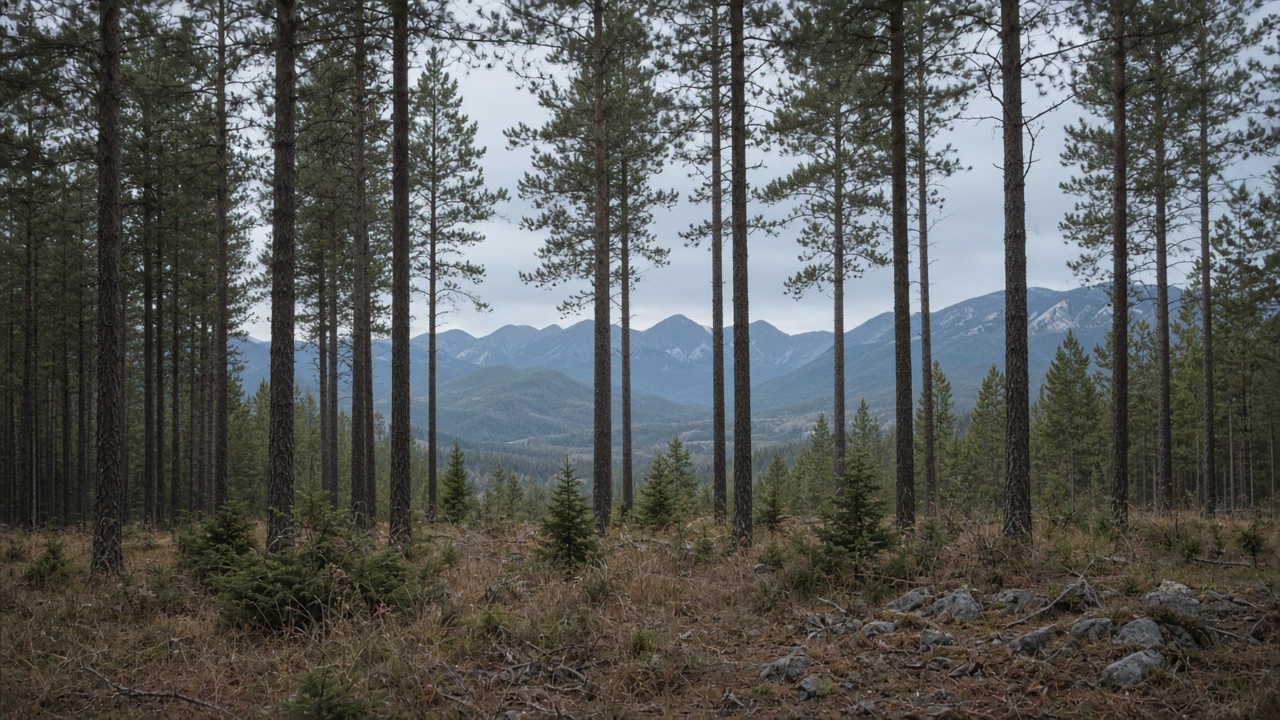
Natural landscape in Canada — AI-generated illustration AI-generated illustration for Aunerys
Short answer

Canada spans boreal forest, western prairies, the Rockies and Coast Mountains, and Arctic tundra. Facts compiled on 4 November 2026.

Written by Noah Tremblay Facts compiled on 4 November 2026 Updated
Country fact sheet
Reference authority Provincial and territorial wildlife agencies; Canadian Wildlife Service for migratory birds
Framework law Migratory Birds Convention Act, 1994; provincial wildlife acts
Decision level provincial and territorial, federal for migratory birds
Licence Hunters take a provincial hunter education course and, for firearms, the Canadian Firearms Safety Course, then obtain a Possession and Acquisition Licence (PAL).
Facts compiled on 4 November 2026

Introduction

Canada offers contrasting hunting landscapes — boreal forest, prairies, the Rockies and tundra — where moose and white-tailed deer play a central role. This overview explains how hunting is organised and where to find official information.

Hunting landscapes

Canada spans boreal forest, western prairies, the Rockies and Coast Mountains, and Arctic tundra. Much of the land is public Crown land.

Key species

Main hunting methods

  • Calling
  • Decoy hunting

Wildlife health

Chronic wasting disease (CWD) is present in Alberta and Saskatchewan and monitored elsewhere. Provinces impose testing and carcass transport restrictions.
Frequently asked questions

What are the key species in Canada?

Key species include moose (Alces alces), white-tailed deer (Odocoileus virginianus), Canada goose (Branta canadensis).

Which hunting practices exist in Canada?

The main hunting methods are calling, decoy hunting.

Destination Canada — hunting and nature →

Conclusion

Three landmarks to keep: boreal forest, prairies, the Rockies and tundra for the habitats, moose and white-tailed deer for the species, and Provincial and territorial wildlife agencies; Canadian Wildlife Service for migratory birds for the rules in force.
Sources : Environnement et Changement climatique Canada — chasse aux oiseaux migrateurs; Lois du Canada — Loi de 1994 sur la convention concernant les oiseaux migrateurs
The author Noah Tremblay Articles on provinces, habitats and official sources in Canada. Editorial byline of the Aunerys desk. It does not attest to a verified local expertise. View profile →

Read next

Acacia savanna at golden hour, South Africa — AI-generated illustration AI-generated illustration for Aunerys
Territories · 2 min

Hunting and conservation in South Africa: framework, species and debates

Cork oak dehesa in golden light, Spain — AI-generated illustration AI-generated illustration for Aunerys
Territories · 3 min

Landmarks for discovering hunting in Spain

Natural landscape in Belgium — AI-generated illustration AI-generated illustration for Aunerys
Territories · 4 min

Hunting in Belgium: landscapes, species and organisation