Species profiles
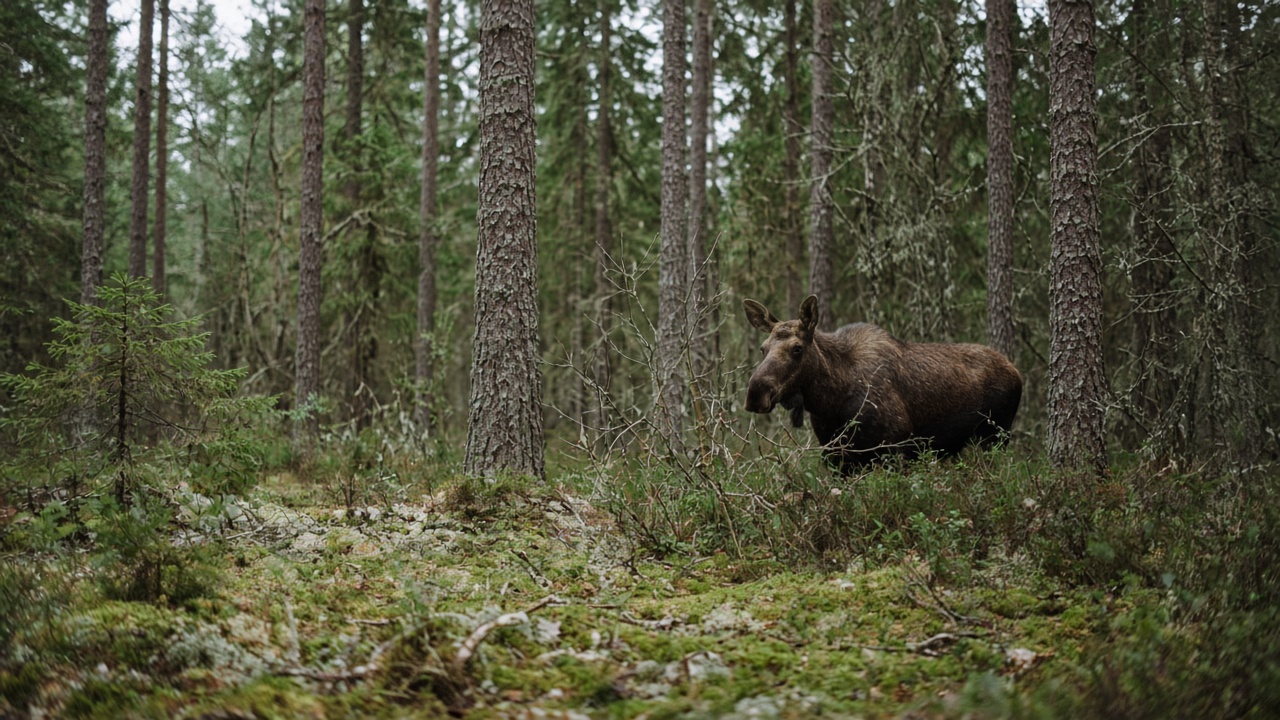
Moose (Alces alces)
Moose occur throughout mainland Estonia. Harvest volumes are set per district and most are taken in drives organised by clubs.
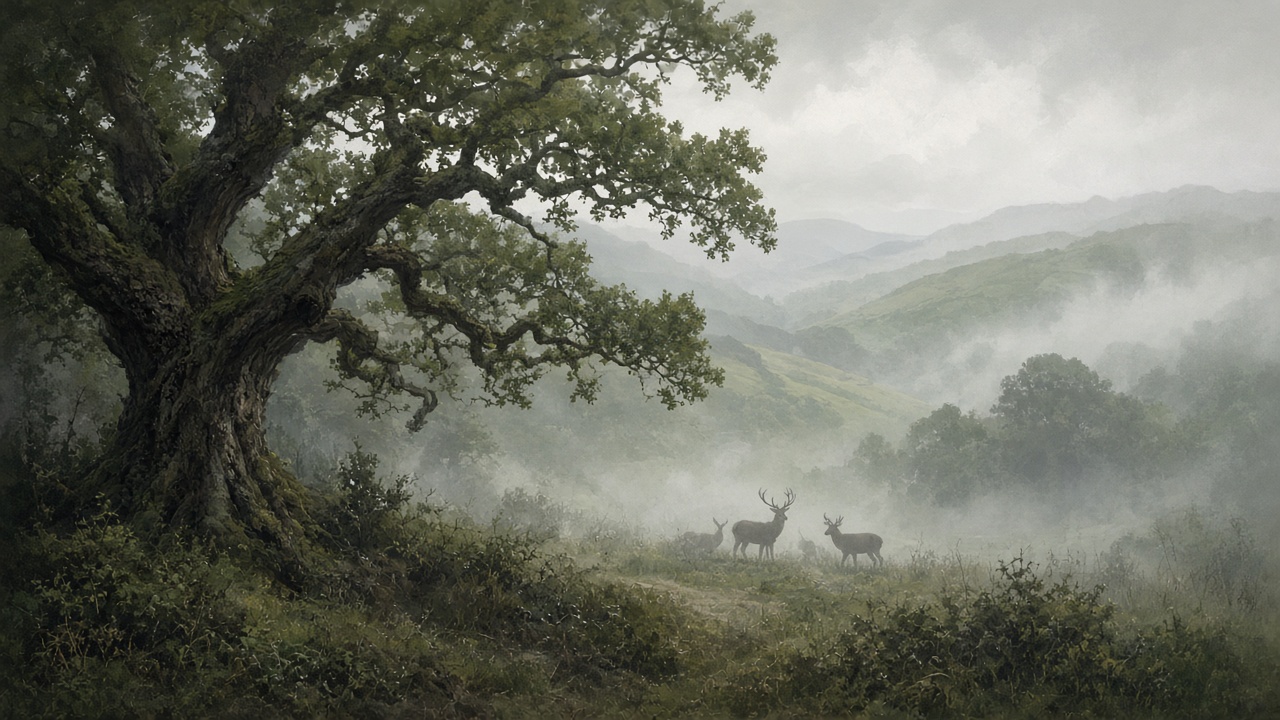
Roe deer (Capreolus capreolus)
Roe deer is the most widespread deer. Numbers vary strongly with winter severity and predator pressure, wolf and lynx first among them.
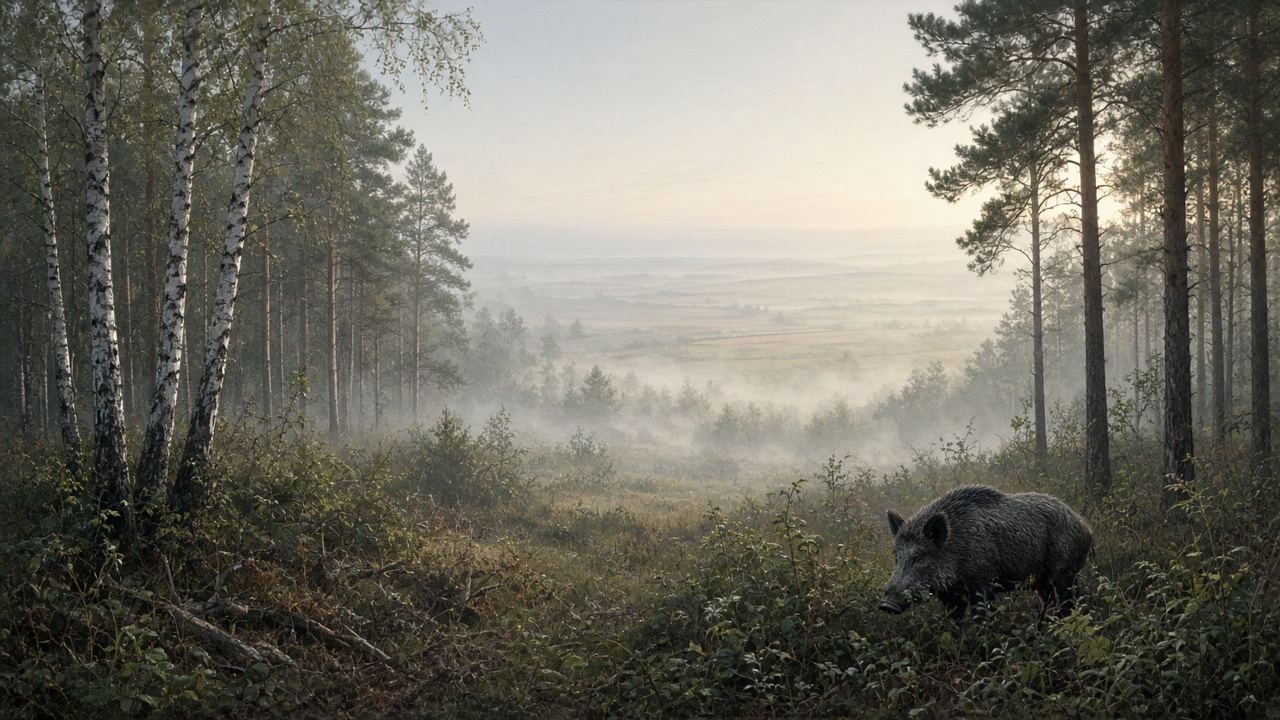
Wild boar (Sus scrofa)
The wild boar population fell sharply after African swine fever arrived in 2014. Hunting it has since been framed by strict sanitary rules on carcass handling.
Who decides what
The 2013 Hunting Act sets the framework. Keskkonnaamet assigns hunting districts, approves big game harvest volumes and issues hunter documents; hunting clubs organise practice in their district.
Game bag 2025/2026
The Estonian Environment Agency has published the results of the 2025/2026 season: 62,427 animals taken, covering 19 mammal species (about 70%) and 29 bird species (about 30%). Wild boar leads with 16,847 animals, about 3,000 short of the mandatory quota; the national quota for the season is 19,800 wild boar (Baltic Times, April 2026; ERR, September 2025). Moose account for 3,260 animals, from a population estimated at 10,000 to 11,000 that is expected to stay at the same level.
Red deer, roe deer and the role of Saare
Red deer reached 3,947, a record (302 more than the previous season), with more than 70% taken in Saare County. Roe deer fell to 3,309, the lowest in twelve seasons: about 60% came from Saare, against 1,198 animals on the mainland (Baltic Times).
Non-native species and small game
The Ministry of Climate lists the raccoon dog and the American mink among non-native species that hunters dislike (Ministry of Climate, November 2025). Raccoon dogs totalled 6,781 in 2025/2026, more than in previous years, as did badgers (530) and barnacle geese (4,008). Beavers (3,587) and bean geese (457), by contrast, were at two-decade lows (Baltic Times).