- Family
- Working burrows and earths
- Difficulty
- High: it needs well-trained dogs, the fitness to dig and a precise knowledge of the rules
- Organisation
- A hunt team: several members and one or more terriers
- Key gear
- Terriers, locator, spades, picks, digging bar
- Season
- Set by national rules and prefectoral orders, varying by species and département: check with the prefecture
- Who it suits
- Members of a terrier hunt who value dog work and physical effort
What is the idea behind terrier work?
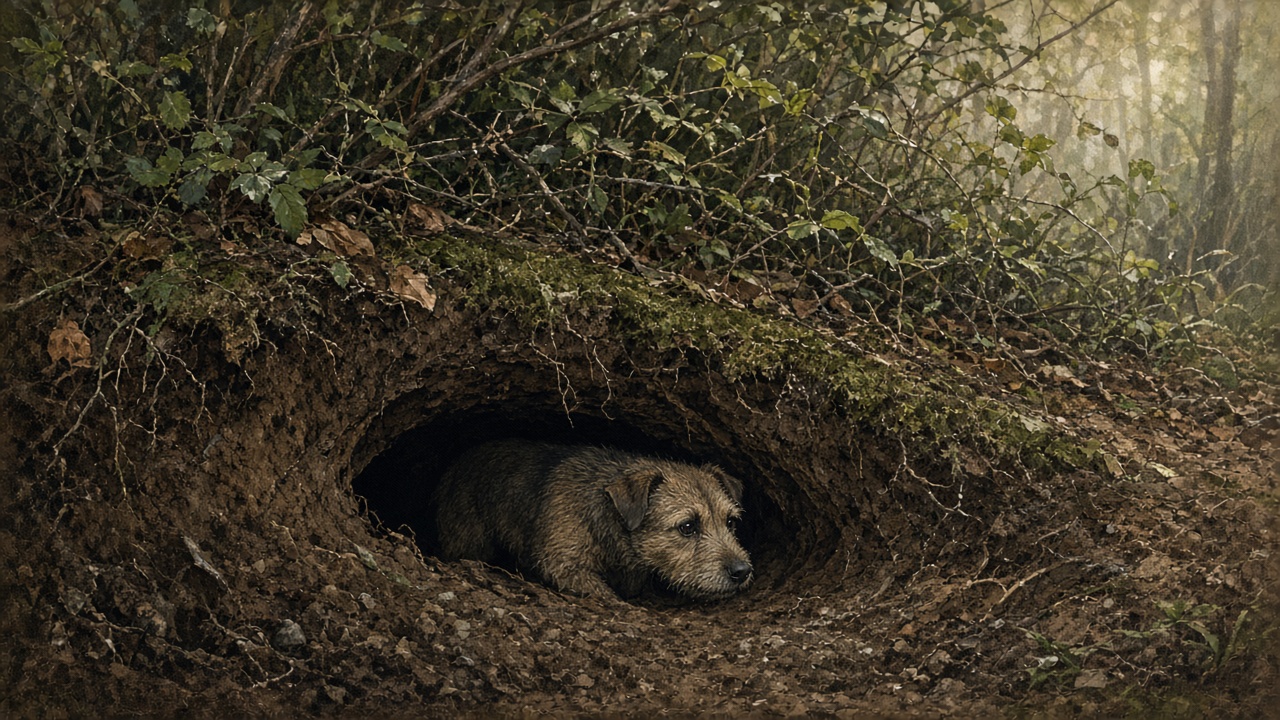
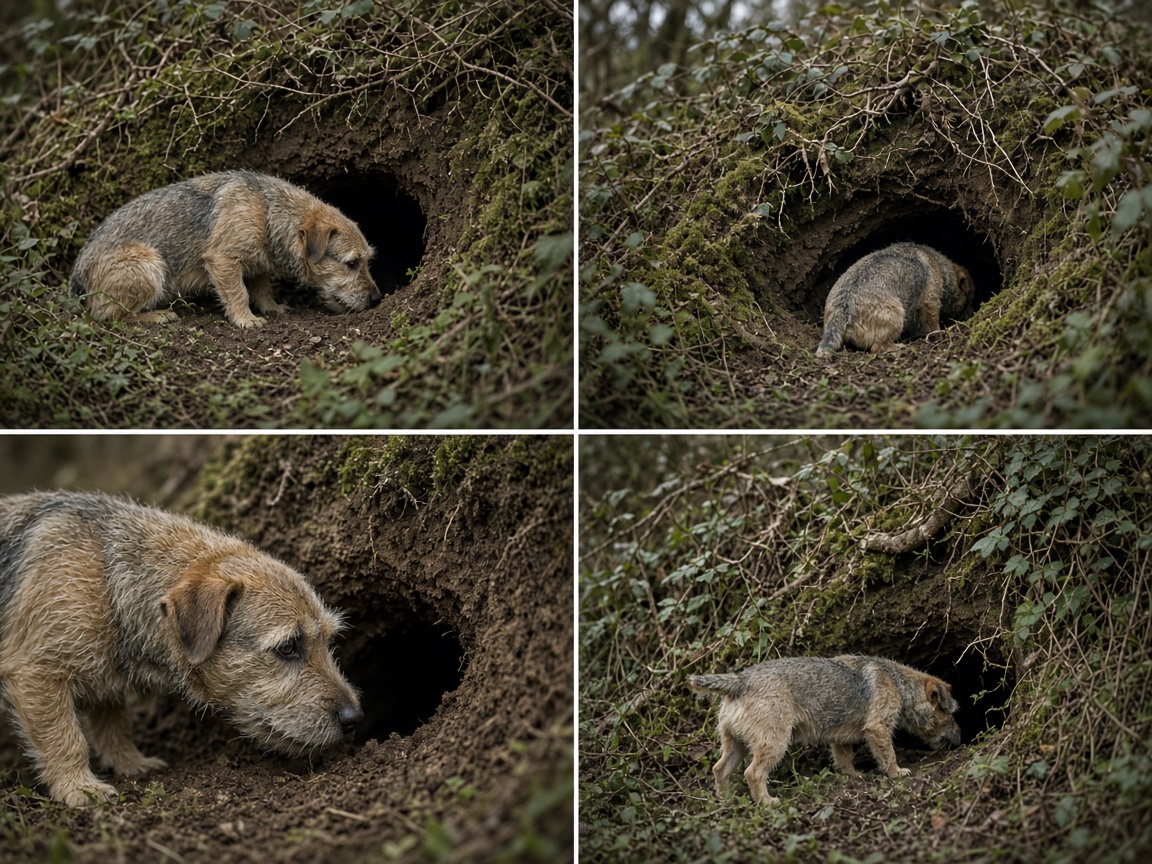
The work depends on the dogs. Dachshunds, fox terriers, Jagdterriers and other terriers go into the tunnels, find the animal and stop it moving by baying in front of it rather than fighting it. Above ground, the team listen, follow the dogs’ progress and increasingly use a locator on the dog’s collar to know its position and depth.
Once the dog is located, the team dig a trench or shaft down to it. Digging out can take a long time, depending on depth, soil and the layout of the earth. When the animal is reached, the dogs are taken out, then the animal is taken and killed by the means set out in French regulations. The earth is then filled in.
Hunts defend the practice as a way of controlling foxes and badgers, especially where they cause damage, and as a hunting tradition. Animal protection groups oppose it, particularly for badgers, and the period during which badgers may be dug is regularly challenged in the administrative courts. Rules and dates are set by the State and prefectures and change between départements and years. The situation differs greatly from one country to another; this page describes French practice.
How does terrier work work in the field?
What equipment do you need for terrier work?
- A locator: transmitter collars for the dogs and a receiver
- Spades, picks and a digging bar to open the ground
- A veterinary first-aid kit for the dogs and plenty of water
- A spade and kit to fill in holes properly afterwards
Safety rules for terrier work
- Never work under an unstable trench wall: widen the hole rather than going too deep in a narrow one
- Keep onlookers and dogs not working well away from the tools and the hole
- Watch the condition of working dogs and take them out if they are injured or exhausted
- Never shoot towards a hole where the ferret or dog may come out
Common mistakes in terrier work
- Entering a young or poorly prepared dog, which may get hurt
- Digging at random without a precise fix, which lengthens the dig and damages the ground
- Overlooking the rules for badgers, whose periods and methods often differ from those for foxes
- Leaving the site open or damaged after the day
Which species are hunted by terrier work?
Where is terrier work practised?
France
In France, terrier work is governed by the ministerial order of 18 March 1982 on the practice of venery: the animal, held at bay underground by the dogs, is taken by digging, using only the means listed in the order, and each pack needs a certificate from the prefect. Seasons are set by national rules and prefectoral orders.
Rules vary by country and region: check with the local authority. See the sources
Terrier work compared with neighbouring techniques
Terrier work and ferreting both put an animal into the tunnels, but the ferret makes rabbits bolt to the surface, while the terrier holds a fox or badger below, which is reached by digging. Hunting with hounds pursues an animal above ground with a pack over long distances. Hunting with scent hounds brings game past standing guns, which terrier work does not do.
Key terms in terrier work
- terrier
- A small dog that goes underground to find the quarry and hold it at bay.
- digging out
- Digging down to the animal that the terriers have located underground.
- hunting with hounds
- Hunting a single animal with a pack of hounds, without firearms during the pursuit.
- hunt
- The organisation that keeps a pack of hounds and runs the hunting days.
- locator
- A transmitter collar worn by a ferret or terrier and a handset that shows from above ground where it is and how deep.
Frequently asked questions about terrier work
What is terrier work?
It is hunting a fox or badger in its earth or sett with terriers that locate the animal underground, followed by digging out by the team to reach the animal and take it.
Which dogs are used?
Mainly small dogs that fit into the tunnels, such as dachshunds, fox terriers or Jagdterriers. Their job is to find the animal and hold it in place by baying.
Is digging out allowed in France?
Yes, within a precise regulatory framework that sets periods and the means of killing, among other things. This framework can change and is the subject of debate and legal challenges, especially for badgers.
Why is badger digging debated?
Supporters present it as a way of limiting damage to crops, dykes and banks. Opponents question its usefulness and condemn the suffering involved. The debate also covers periods when young badgers still depend on their mother.
Are the dogs at risk of injury?
Yes. A cornered fox or badger can bite, and a dog can get stuck. Hunts reduce these risks by choosing and preparing dogs carefully, monitoring them with locators and digging quickly.
Who can take part in terrier work in France?
Participants must meet the general conditions for hunting, and the hunt team must meet its own administrative requirements. The prefecture and the OFB give up-to-date guidance.
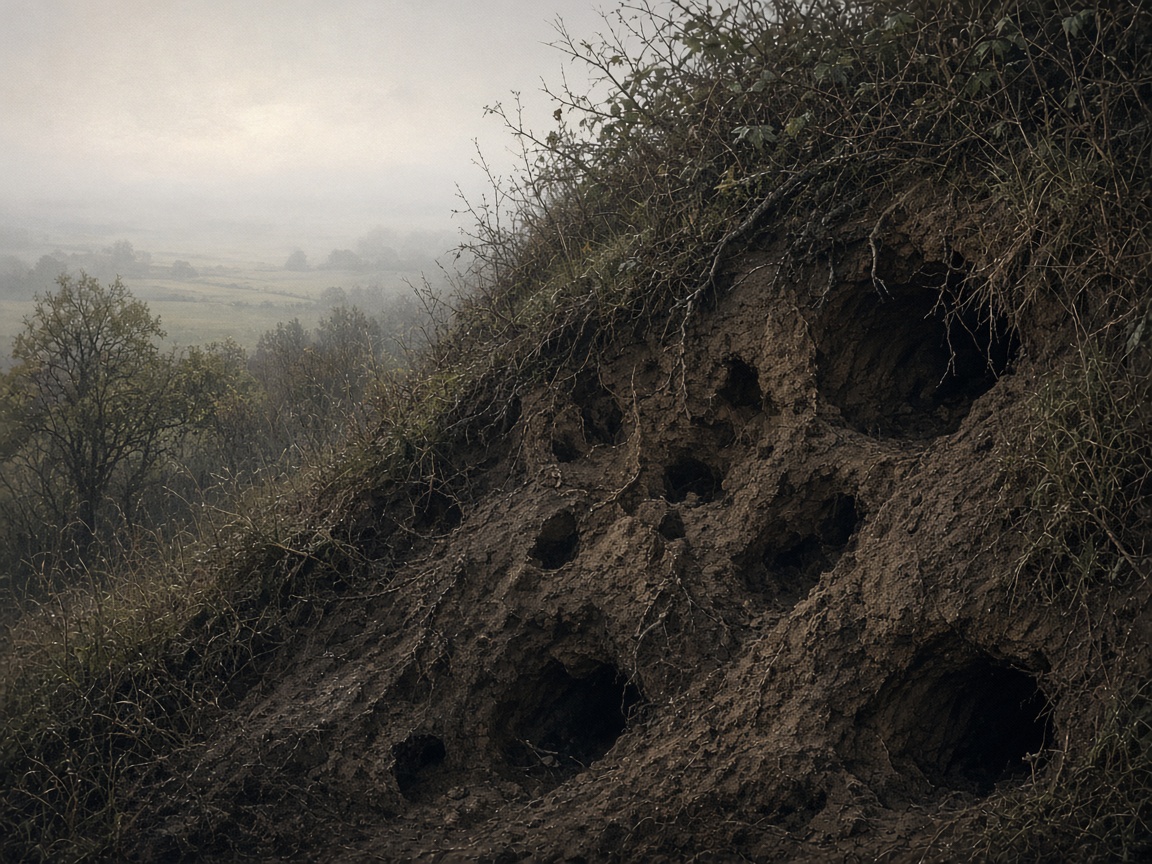
Terrier work in pictures
Sources and references on terrier work
- Légifrance — Code de l’environnement, livre IV, titre II : chasse
- Office français de la biodiversité (OFB) — Chasse, permis de chasser et police de l’environnement (consulted on )
- Ministère de la Transition écologique — Politique de la chasse (consulted on )
- Société de Vènerie — Équipages, animaux chassés et déroulement de la chasse (consulted on )
- Société centrale canine — Races, groupes et épreuves de travail des chiens de chasse
- AIDA (INERIS) — Arrêté du 18 mars 1982 relatif à l'exercice de la vénerie, version consolidée (art. 1 à 7) (consulted on )
- legislation.gov.uk — Hunting Act 2004, Schedule 1 : Exempt hunting (paras 1 à 9) (consulted on )
- legislation.gov.uk — Hunting with Dogs (Scotland) Act 2023 (asp 1), sections 1 à 11 et 14 à 16 (consulted on )
Practice information — not a legal authorisation.