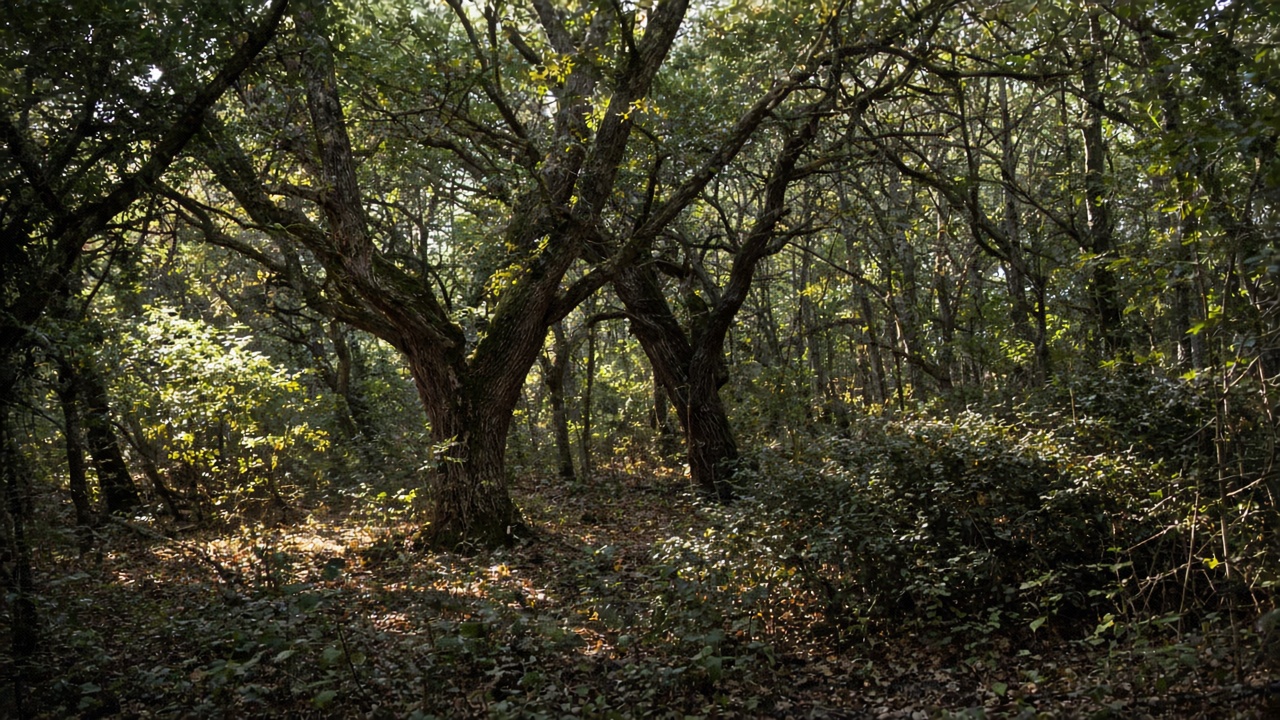
Landscapes, damage and land use
The spread of wild boar on the coast and islands creates conflicts with farming and tourism. In the Slavonian plains, floodplain forest management and big deer management are closely linked.
Wildlife health
African swine fever appeared in Croatia in 2023, affecting farms and wild boar in the east. Restriction zones frame hunting and carcass transport.
Hunters from abroad
Foreign hunters hunt in Croatia with permission from a ground manager and a local companion. Temporary firearm import uses the European Firearms Pass or an authorisation issued at the border.
African swine fever: prevention in 2023
In May 2023, the Hina news agency reported that African swine fever had not been registered in Croatia. The Ministry of Agriculture and the HAPIH agency were running an awareness campaign reaching more than 1,500 hunters, vets and pig farmers, and 119 holdings had received non-repayable grants, €200,000 in total, to build double fences. The European Food Safety Authority’s StopASF campaign was in its fourth year in a row in 18 countries, including Croatia (N1 / Hina, May 2023). This picture dates from 2023: the current health situation should be checked with the Croatian veterinary authority.
A tighter framework in 2025
The July 2025 order pursues the same aim, combating and preventing the occurrence and spread of the disease. It limits night shooting with electronically magnifying optical sights to areas outside protected areas (FAOLEX, via InforMEA), which reconciles wild boar control with the protection of natural habitats.
Fewer hunters, large grounds
The Croatian Bureau of Statistics counts 60,244 hunters for the 2024 hunting year, against 68,292 in 2023 (−11.8%), while 45,397 wild boar were taken (DZS, October 2025). These hunters work on large grounds: the 2018 Act sets the minimum area of an open hunting ground at 1,000 ha (art. 12; text of the Act).