Landscapes, damage and land use
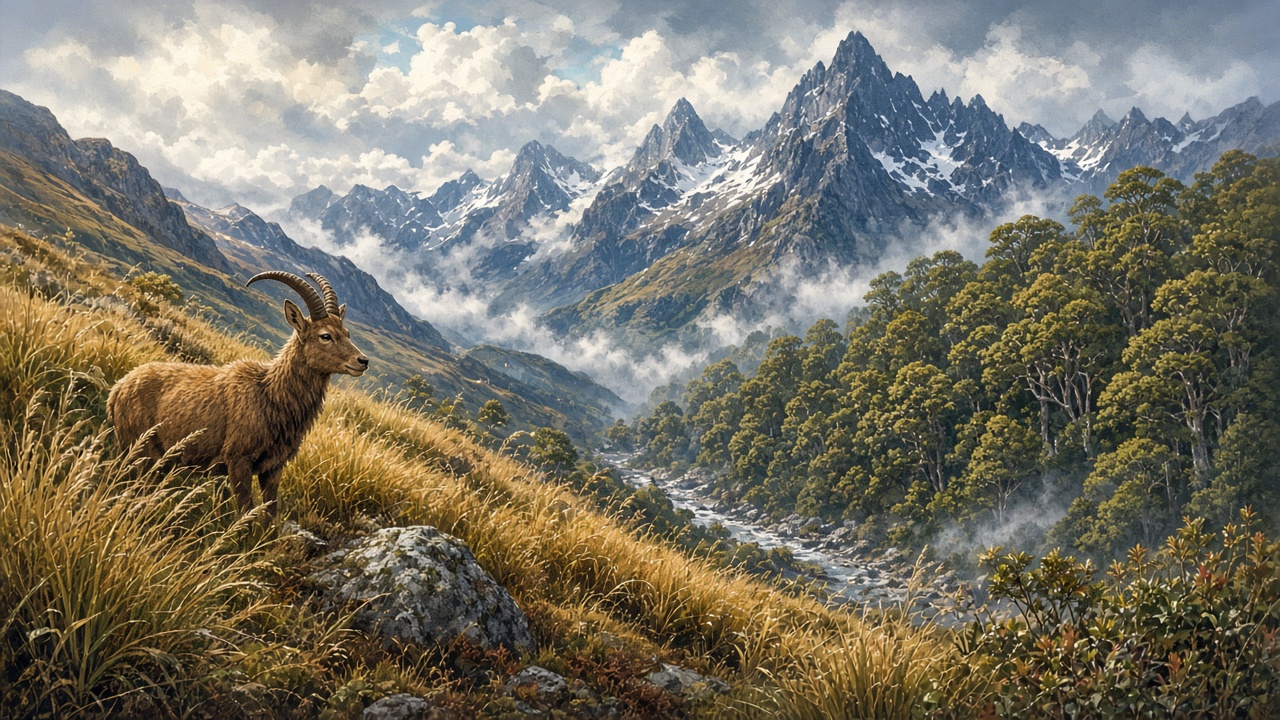
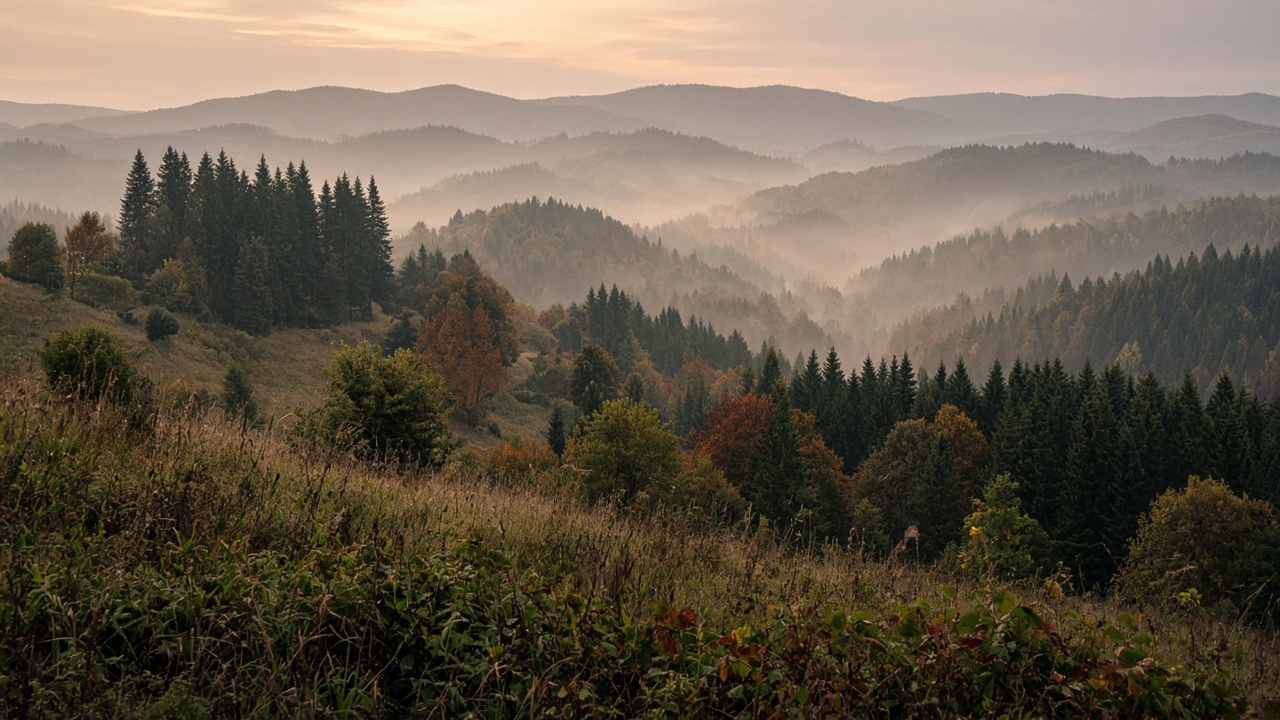
Browsing damage by red and roe deer on the regeneration of protective mountain forests is a major issue. Shooting plans are adjusted to forest condition.
Wildlife health
Bovine tuberculosis in red deer has been detected in some Tyrol and Vorarlberg valleys, leading to targeted reduction measures. Hunters take part in surveillance sampling.
2024/2025 bag: a sharp fall in wild boar
Statistik Austria, the federal statistics office, puts the 2024/2025 hunting year at 725,300 animals taken, 4.6% fewer than the year before, of which 406,900 were hoofed game (−4.5%). Roe deer remain first with 293,100 (−0.4%), ahead of red deer (57,700, −1.9%), wild boar (29,100, −39.2%) and chamois (22,200, +9.1%). Among birds, capercaillie fall to 277 (−33.9%), while black grouse reach 1,540 (+3.8%) (Statistik Austria, corrected version of 14 October 2025).
Game losses and road traffic
Game losses (other than shooting) total 115,500 animals (−6.1%). Road traffic accounts for 65,000, or 56.3% of the total; roe deer alone account for 68,900 losses from all causes (−5.6%) (same source).
Forest and game damage: the example of Upper Austria
In Austria, hunting is a matter for the nine Länder. The 2024 Upper Austrian Hunting Act gives one example: hunting must not endanger the forest, in particular where clearings or impossible regeneration result. In the event of serious yield losses, the district authority may oblige the hunter to take protective measures or to reduce numbers (§ 62). Closed seasons are set by regulation of the provincial government, by species, sex and age (§ 42), and game that enters a protected crop despite a proper fence may be shot even during the closed season (§ 43, para. 1; text of the Act). The other Länder have their own laws.