Aunerys
Hunting Fishing · soon
FR EN ES
Species · 2 min read

Sika deer, Japanese wild boar and green pheasant: game species of Japan

Sika deer (Cervus nippon), Japanese wild boar (Sus scrofa leucomystax) and green pheasant (Phasianus versicolor) shape hunting in Japan. This article covers their habitats, how they are managed and what to check.

Byline: Yuki Tanaka Published Updated
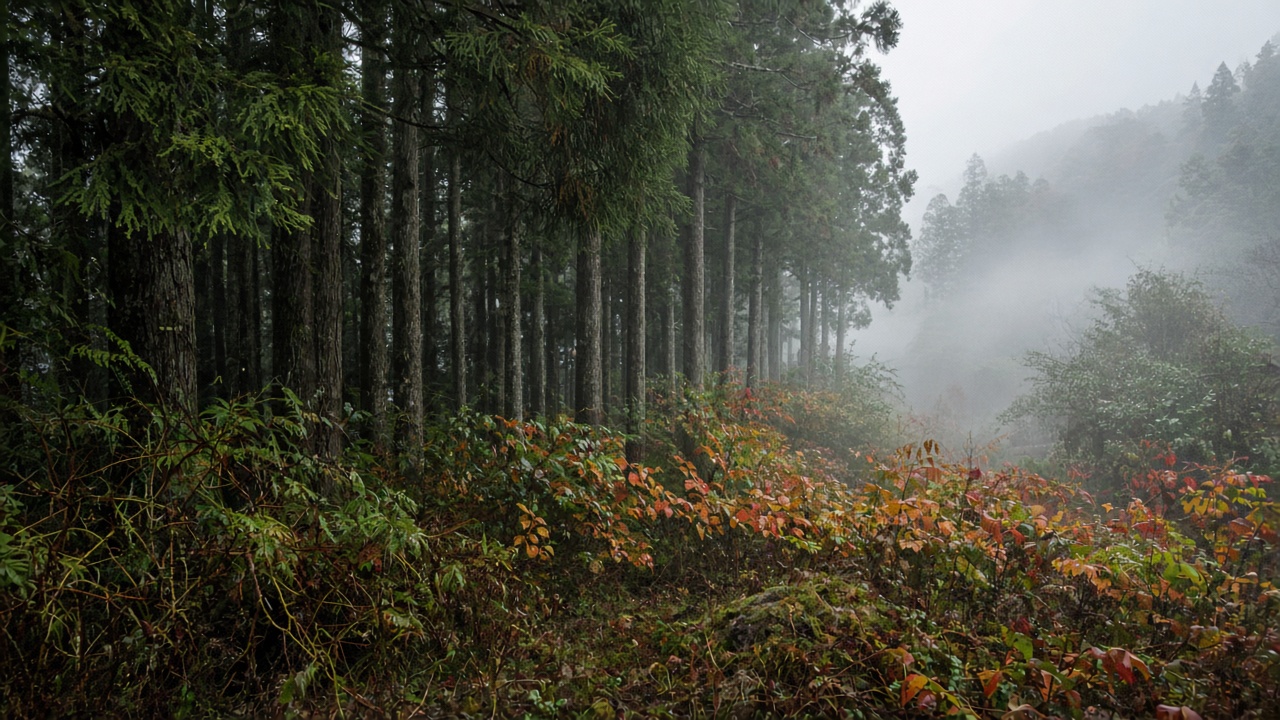
Natural landscape in Japan — AI-generated illustration AI-generated illustration for Aunerys
Short answer

Key species include sika deer (Cervus nippon), Japanese wild boar (Sus scrofa leucomystax), green pheasant (Phasianus versicolor). Facts compiled on 4 November 2026.

Written by Yuki Tanaka Facts compiled on 4 November 2026 Updated
Country fact sheet
Reference authority Ministry of the Environment of Japan (環境省) and prefectural governments
Framework law Wildlife Protection, Control and Hunting Management Act (鳥獣保護管理法)
Decision level national, licences issued by prefectures
Licence Several hunting licences exist depending on method: firearms, nets or traps.
Facts compiled on 4 November 2026

Introduction

Three species are a good way into hunting in Japan: sika deer, Japanese wild boar and green pheasant. For each, this article gives the habitat, the way it is managed and what to check with Ministry of the Environment of Japan (環境省) and prefectural governments.

Species profiles

Sika deer (Cervus nippon)

Sika deer, whose Hokkaido subspecies (Ezo shika) is the largest, have increased sharply. They cause major damage to forests and crops.

Japanese wild boar (Sus scrofa leucomystax)

Japanese wild boar are hunted with traps and dogs. The meat (botan) is a regional speciality, and game meat (jibie) supply chains are growing.

Green pheasant (Phasianus versicolor)

The green pheasant, Japan’s national bird, is also a game species. Reared releases supplement wild populations.

Hunting landscapes

Two thirds of Japan is forested, mostly mountainous. Rural satoyama landscapes, between rice fields and wooded hills, are the main stage for wildlife–farming conflicts.

Hunters from abroad

For a non-resident foreigner, hunting in Japan is very difficult: one must pass the Japanese exam and obtain a firearm permit, which assumes residence. Visitors can, however, join introductory programmes without shooting.
Frequently asked questions

Which wildlife health issues matter in Japan?

Classical swine fever (CSF) has circulated in Japanese wild boar since 2018. Oral vaccines are distributed and hunters take part in surveillance.

Who manages hunting in Japan?

The reference authority is Ministry of the Environment of Japan (環境省) and prefectural governments. The wildlife protection and management act, revised in 2014, added a goal of reducing sika deer and wild boar numbers.

Destination Japan — hunting and nature →

Conclusion

Sika deer, Japanese wild boar and green pheasant do not follow the same rules: status, season and methods are checked species by species with Ministry of the Environment of Japan (環境省) and prefectural governments.
Sources : 環境省 — gestion de la faune (ministère de l’Environnement); e-Gov 法令検索 — 鳥獣保護管理法
The author Yuki Tanaka Prepares practical guides to Japan from institutional sources. Editorial byline of the Aunerys desk. It does not attest to a verified local expertise. View profile →

Read next

Pine and birch forest edge in morning fog, Poland — AI-generated illustration AI-generated illustration for Aunerys
Species · 2 min

Wild boar in Poland: hunting, ASF and voivodeships

Misty British woodland clearing with a red deer — AI-generated illustration AI-generated illustration for Aunerys
Species · 3 min

Deer management in the United Kingdom: six species, four frameworks

Natural landscape in Finland — AI-generated illustration AI-generated illustration for Aunerys
Species · 2 min

Moose, white-tailed deer and capercaillie: game species of Finland