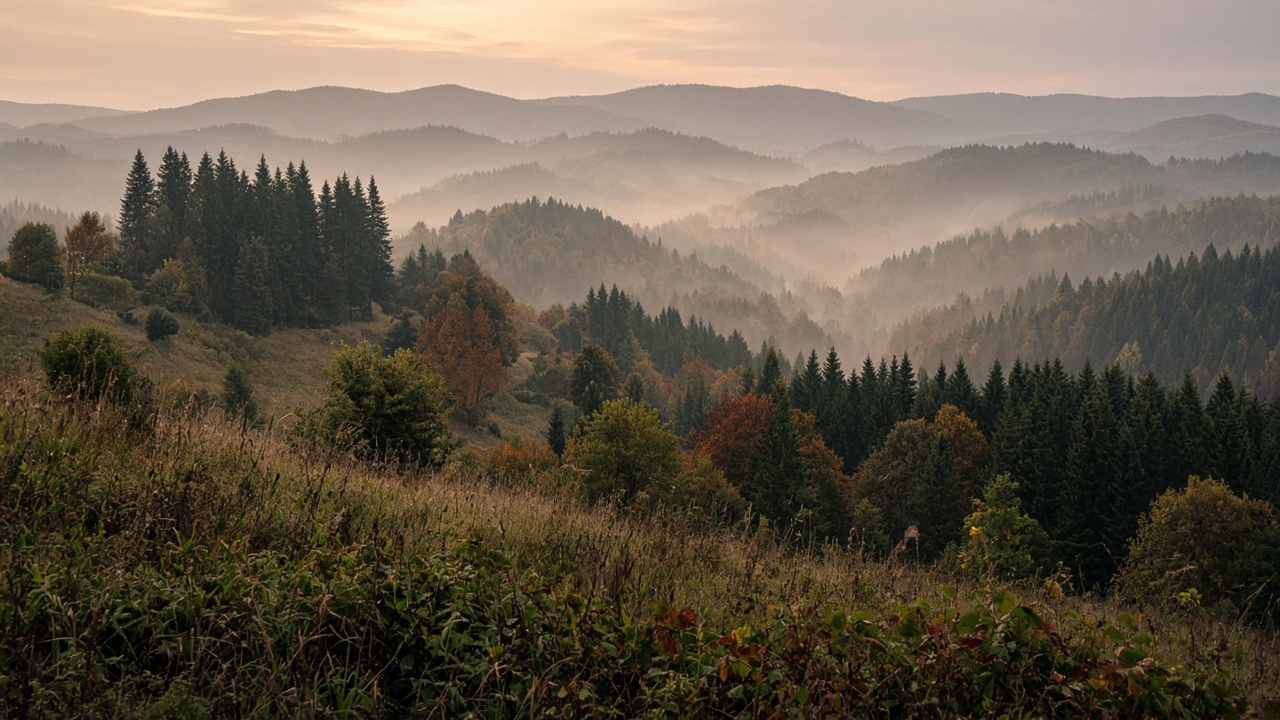
Landscapes, damage and land use
Logging, legal or illegal, threatens the last old-growth forests of the Carpathians and large carnivore habitats. Conflicts between bears and residents, in crops and villages, fuel public debate.
Wildlife health
African swine fever has circulated in Romania since 2017, in domestic pigs as well as wild boar. Hunters take part in surveillance and apply biosecurity rules to carcasses.
Brown bears: a quota nearly doubled
On 15 July 2024, the Romanian Parliament passed, in an emergency session, a law on bear population management by 214 votes to 7, with 23 abstentions. It raises the brown bear quota from 220 to almost 500, after a 19-year-old hiker was killed on a trail in the Bucegi Mountains. Environmental groups say hunting should not be the first response to bear attacks (Romania Insider, July 2024).
A population reassessed at over 10,000 bears
In April 2025, the Ministry of Environment published a preliminary estimate of 10,419 to 12,770 brown bears (95% confidence interval), based on genetic analysis of more than 24,000 samples from 25 counties. The 2023 estimate went up to 8,000 bears but relied on indirect methods or visual observation; the ministry presents the new figure as the first scientifically supported estimate (Romania Insider, April 2025).
African swine fever
African swine fever has affected the Romanian pig sector since 2017. In 2025 Romania reported 228 outbreaks on pig farms, the vast majority of those in the European Union. In June 2026 the acting agriculture minister announced the seizure of undocumented pig shipments, limits on pig movements, and public funds for hunting-association interventions and carcass removal. The country has about 3 million pigs, half of them on household farms (Agroberichten Buitenland, Dutch Ministry of Agriculture, June 2026).
Key figures
These figures come from the press (Romania Insider) and from a Dutch Ministry of Agriculture relay: check them with the Romanian Ministry of Environment and the veterinary authority ANSVSA.