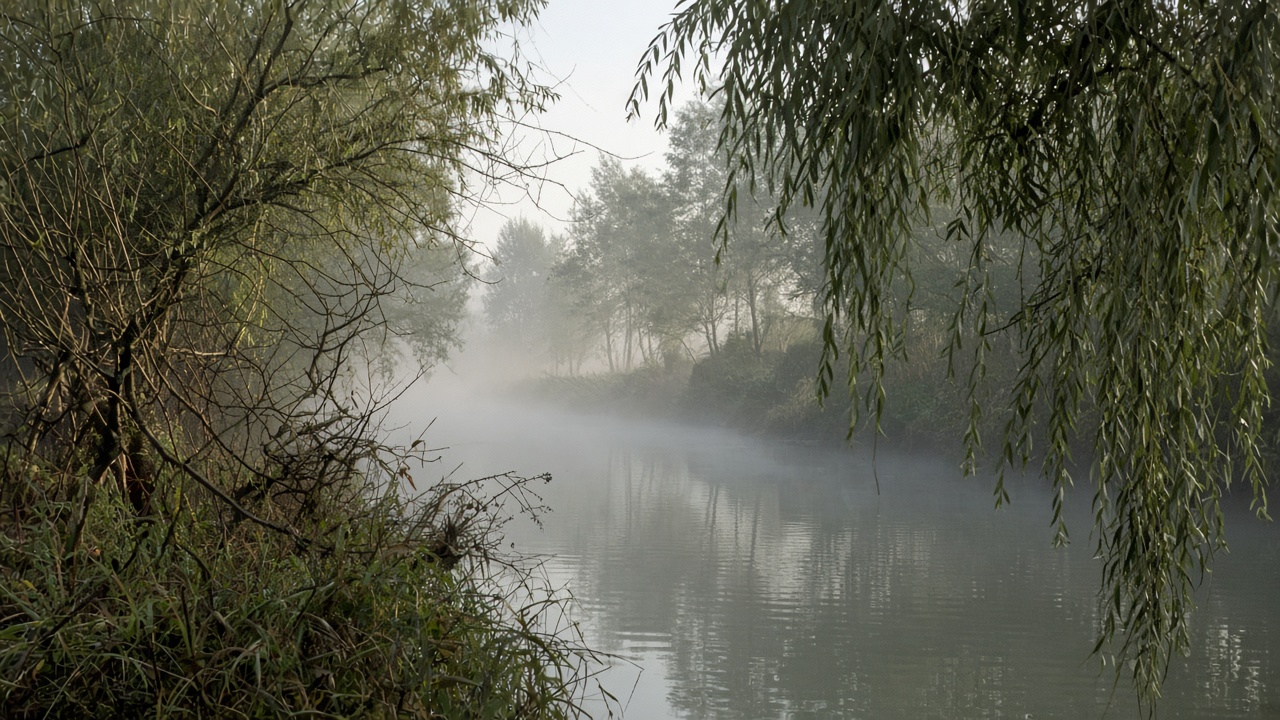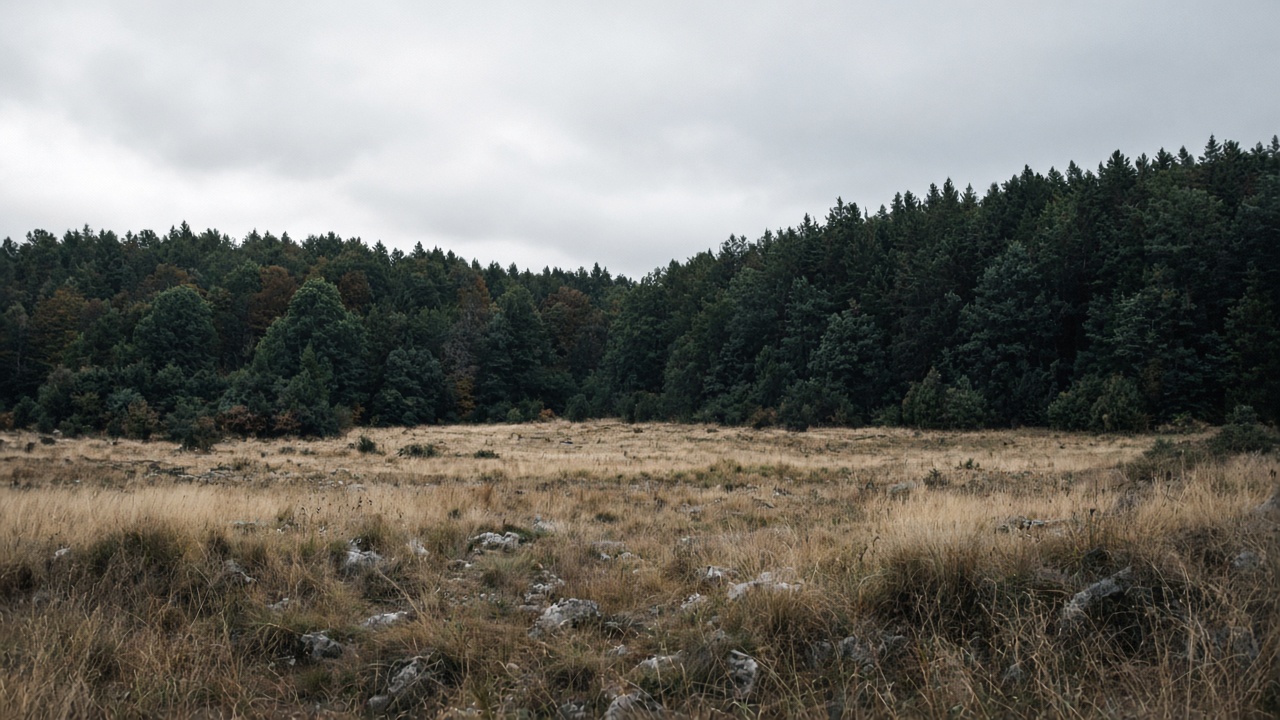
Landscapes, damage and land use
Slovenia’s close-to-nature forestry relies on natural regeneration, which deer can compromise. The 2014 ice storm and bark beetles hit the forests hard.
Wildlife health
Slovenia monitors African swine fever, present in neighbouring countries, and requires dead wild boar to be reported. Rabies was eliminated through oral vaccination of foxes.
Hunters from abroad
Foreign hunters hunt in Slovenia as guests of a club or in a public reserve, accompanied by a local hunter. The hunting permit and firearm import are arranged with the organiser.
African swine fever: no case in Slovenia, but the risk is closing in
According to the “Afriška prašičja kuga” page on the government portal gov.si, last updated on 12 October 2026, African swine fever has not been detected in Slovenia. It is nevertheless advancing around the country: first case in domestic pigs in Hungary on 5 June 2026, new outbreaks in pigs and wild boar in Croatia on 17 June 2026. ADIS data of 6 October 2026 count 895 outbreaks in domestic pigs and 6,752 in wild boar across Europe.
Measures taken since autumn 2025
On 24 September 2025, after a meeting of the national animal-disease management body, the government announced additional measures: the sampling rate for pigs found dead on farms rises from 2% to 4%, the police and veterinary services check carcasses, meat and trophies coming from Croatia, and farm biosecurity is inspected more often. At that date every test on wild boar found dead or killed on roads had been negative. Authorities advise hunters not to hunt abroad, in particular in Croatia and Italy.
What a hunter has to do
The official page asks hunters to report any dead wild boar to 112 immediately, together with animals behaving oddly (unwary, isolated from the group, lying down). The spot is marked and protected, then disinfected once the carcass has been removed. After a hunt, clothes, boots and hands are disinfected before any contact with domestic pigs, and dogs are washed. Every hunting-ground manager must have a management plan, and hunting tourism is discouraged in restricted zones. If an outbreak occurs, the infected zone has a radius of at least 3 km and the threatened zone at least 10 km, with a ban on moving pigs and pig products.
Driven hunts: the November 2025 inspections
On 9 November 2025 the hunting inspectorate and the Novo mesto veterinary administration inspected driven hunts in the Posavje and Novo mesto management areas. Pre-hunt biosecurity measures were properly applied. However, semi-automatic rifles with magazines of more than two cartridges, which the hunting act forbids, were used and led to fines, and some approved collection centres showed irregularities in animal by-products and records, with corrective measures ordered. Further inspections were announced for December 2025.
Brown bear: 206 animals authorised until 31 December 2026
On 9 July 2026 the administrative court dismissed in full the appeal by the Alpe Adria Green association and confirmed the lawfulness of the permit to remove 206 brown bears, issued in May 2025 and valid until 31 December 2026. It targets the areas of highest density, 176 hunting grounds. The population was estimated at 954 bears in spring 2025 (95% confidence interval: 880 to 1,050). Twenty-two bears had been removed before the July 2025 suspension, and eleven intervention decisions have since concerned animals judged dangerous. The online tool Medvedofon lets people report large carnivores.
How game management is organised
According to the “Upravljanje z divjadjo” page (updated 4 June 2026), the ZGS forest service monitors populations and prepares the two-year plans of the game management areas; the 2025-2026 plans cover 15 areas. As an example, roebucks are hunted from 1 May to 31 October and red deer from 16 August to 31 December.
Key figures
| Indicator | Value | Source, date |
|---|---|---|
| African swine fever in Slovenia | no case detected | gov.si, 12 October 2026 |
| Outbreaks in Europe | 895 (domestic pigs), 6,752 (wild boar) | ADIS via gov.si, 6 October 2026 |
| Sampling of pigs found dead on farms | from 2% to 4% | gov.si, 24 September 2025 |
| Zones in case of outbreak | at least 3 km (infected), 10 km (threatened) | gov.si, 2026 |
| Brown bears authorised | 206, across 176 hunting grounds, until 31 December 2026 | gov.si, 9 July 2026 |
| Bear population | 954 (880 to 1,050) | spring 2025 estimate, gov.si |
| Bears removed before the suspension | 22 | gov.si, 9 July 2026 |
| Game management areas | 15, 2025-2026 plans | gov.si, 4 June 2026 |