Aunerys
Hunting Fishing · soon
FR EN ES
Environment · 2 min read

Hunting and the environment in Finland: damage, health and landscapes

Damage to crops and forests, wildlife diseases and landscapes: the concrete environmental issues tied to hunting in Finland, and where to follow alerts.

Byline: Aino Korhonen Published
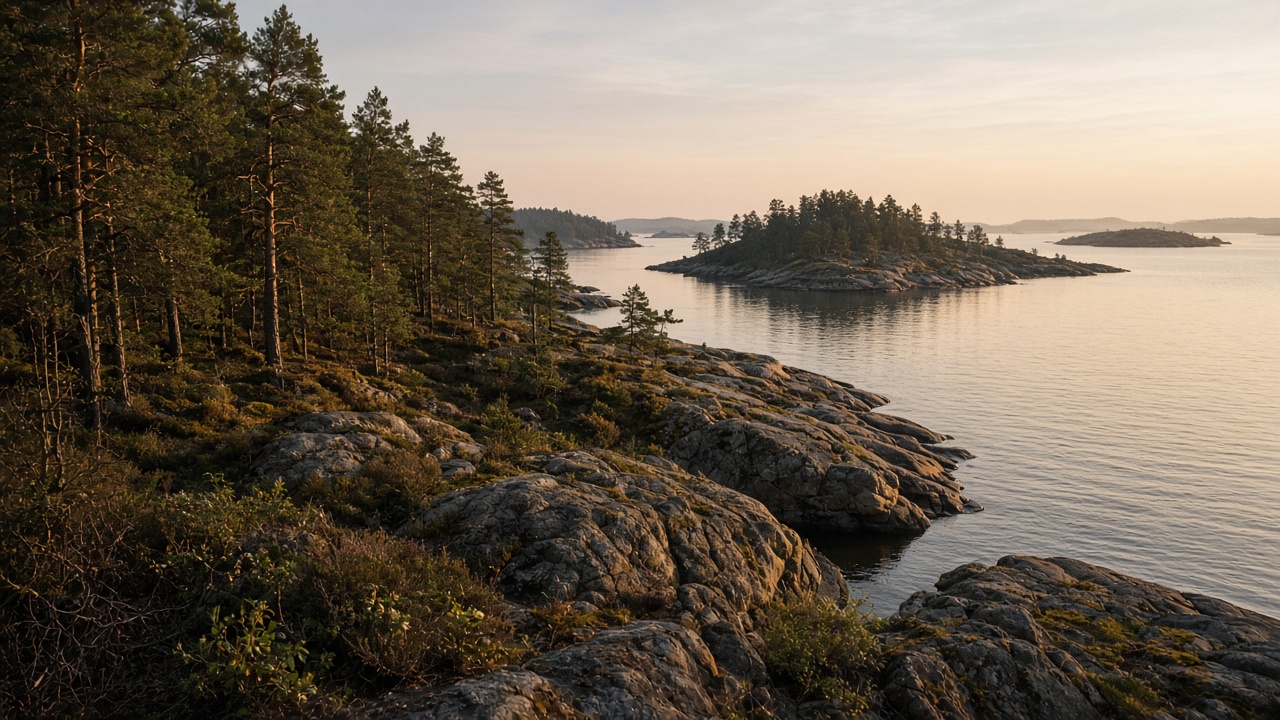
Natural landscape in Finland — AI-generated illustration AI-generated illustration for Aunerys
Short answer

Moose and young pines get in each other’s way, and the Finnish Wildlife Agency does not reduce that to a call to shoot more. Ruokavirasto, the food authority, follows a prion disease of deer and related forms. Facts compiled on 5 November 2026.

Written by Aino Korhonen Facts compiled on 5 November 2026 Updated
Country fact sheet
Reference authority Suomen riistakeskus (Finnish Wildlife Agency)
Framework law Metsästyslaki 615/1993
Decision level national, with local game management associations
Licence Hunting in Finland requires passing the hunter’s exam (metsästäjätutkinto) and paying the annual game management fee (riistanhoitomaksu).
Facts compiled on 5 November 2026

Introduction

In Finland, moose are read in the forest as much as in the hunting table. This text follows two official pages: young pines, then a prion disease that is not the North American one.

Landscapes, damage and land use

Moose and young pines get in each other’s way, and the Finnish Wildlife Agency does not reduce that to a call to shoot more. The damage falls mostly on pine plantations. A more mixed forest, with more broadleaves and food on the ground, spreads the browsing instead of leaving it on a few stands. Some owners have answered by planting spruce even on sites that are too poor, which creates another risk, that of fragile stands.

That text from the agency describes the shift. It does not set the year’s harvest. Road collisions are not given as figures here.

Wildlife health

Ruokavirasto, the food authority, follows a prion disease of deer and related forms. It describes three cases in moose: a female found dead at Kuhmo in February 2018, then sick animals at Laukaa in 2020 and at Kyyjärvi in 2022. These cases, in old females, are treated as a sporadic form, distinct from the contagious disease of North America.

Surveillance of deer found dead or sick, older than one year, continues. Anyone who finds a dead animal contacts the municipal vet, who sends the sample. This is neither a hunting authorisation nor a harvest table.

Destination Finland — hunting and nature →

Conclusion

Neither this year’s harvest nor a road-accident tally appears here. Both are checked with the Wildlife Agency and Ruokavirasto.
Sources : Suomen riistakeskus — agence finlandaise de la faune; Suomen riistakeskus — forêts mélangées et dégâts d’élan; Ruokavirasto — maladie à prions des cervidés; Finlex — Metsästyslaki 615/1993; Metsähallitus — chasse sur les terres de l’État
The author Aino Korhonen Articles on boreal habitats and field signs in Finland. Editorial byline of the Aunerys desk. It does not attest to a verified local expertise. View profile →

Read next

Alpine tussock and beech valley, New Zealand — AI-generated illustration AI-generated illustration for Aunerys
Ethics · 2 min

Hunting and environment in New Zealand: introduced species

Natural landscape in Denmark — AI-generated illustration AI-generated illustration for Aunerys
Ethics · 5 min

Hunting and the environment in Denmark: damage, health and landscapes

Natural landscape in Austria — AI-generated illustration AI-generated illustration for Aunerys
Ethics · 3 min

Hunting and the environment in Austria: damage, health and landscapes