Aunerys
Hunting Fishing · soon
FR EN ES
Techniques · 2 min read

Hunting methods in Japan: trapping, driven hunt and local practice

Trapping and driven hunt: the hunting methods practised in Japan, how each one works in the field and the species it targets (sika deer, Japanese wild boar, green pheasant).

Byline: Yuki Tanaka Published
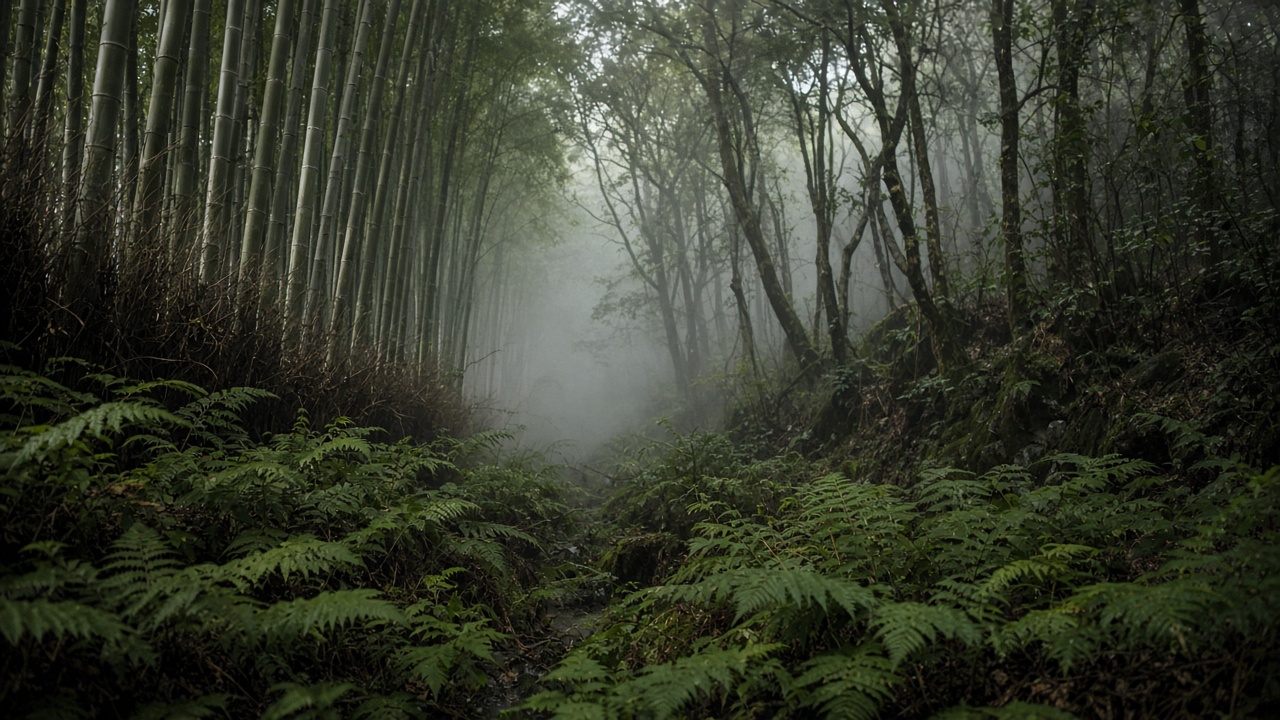
Natural landscape in Japan — AI-generated illustration AI-generated illustration for Aunerys
Short answer

The main hunting methods are trapping (wana-ryō (罠猟)), driven hunt (makigari (巻き狩り)). Key species include sika deer (Cervus nippon), Japanese wild boar (Sus scrofa leucomystax), green pheasant (Phasianus versicolor). Facts compiled on 4 November 2026.

Written by Yuki Tanaka Facts compiled on 4 November 2026 Updated
Country fact sheet
Reference authority Ministry of the Environment of Japan (環境省) and prefectural governments
Framework law Wildlife Protection, Control and Hunting Management Act (鳥獣保護管理法)
Decision level national, licences issued by prefectures
Licence Several hunting licences exist depending on method: firearms, nets or traps.
Facts compiled on 4 November 2026

Introduction

Hunting in Japan follows well-identified methods, including trapping and driven hunt. The choice depends on the landscape (forested mountains, satoyama and Hokkaido forests) and on the species hunted: sika deer, Japanese wild boar, green pheasant.

How hunting is practised

trapping — wana-ryō (罠猟)

Trapping, with snare or box traps, has become the most common method for deer and boar. It requires a specific licence and regular trap checks.

driven hunt — makigari (巻き狩り)

Makigari is a group drive with dogs, organised by local hunters’ associations. It is used to control boar and deer in the mountains.

Key species

  • Sika deer (Cervus nippon)
  • Japanese wild boar (Sus scrofa leucomystax)
  • Green pheasant (Phasianus versicolor)

Wildlife health

Classical swine fever (CSF) has circulated in Japanese wild boar since 2018. Oral vaccines are distributed and hunters take part in surveillance.

Landscapes, damage and land use

Hunter numbers have fallen and aged sharply since the 1970s, while wildlife damage has risen. Municipalities recruit control teams and support young hunters.
Frequently asked questions

Can a foreign hunter hunt in Japan?

For a non-resident foreigner, hunting in Japan is very difficult: one must pass the Japanese exam and obtain a firearm permit, which assumes residence.

Do you need a licence to hunt in Japan?

Several hunting licences exist depending on method: firearms, nets or traps. The firearm permit, issued by prefectural police, is very strict.

Destination Japan — hunting and nature →

Conclusion

Trapping and driven hunt are not improvised in Japan: permitted methods, safety rules and open species are set by Ministry of the Environment of Japan (環境省) and prefectural governments and by whoever holds the hunting rights.
Sources : 環境省 — gestion de la faune (ministère de l’Environnement); e-Gov 法令検索 — 鳥獣保護管理法
The author Yuki Tanaka Prepares practical guides to Japan from institutional sources. Editorial byline of the Aunerys desk. It does not attest to a verified local expertise. View profile →

Read next

Boreal pine forest under northern light, Sweden — AI-generated illustration AI-generated illustration for Aunerys
Field guide · 2 min

Moose hunting in Sweden: teams, dogs and stalking

Natural landscape in Switzerland — AI-generated illustration AI-generated illustration for Aunerys
Field guide · 6 min

Hunting methods in Switzerland: licence hunting, leased grounds and local practice

Natural landscape in Australia — AI-generated illustration AI-generated illustration for Aunerys
Field guide · 2 min

Hunting methods in Australia: stalking, hounds and local practice