Aunerys
Hunting Fishing · soon
FR EN ES
Biodiversity · 3 min read

Hunting and biodiversity in Portugal: conservation issues

Protected species, major conservation issues and population monitoring: what hunting in Portugal has to take into account, and who follows it.

Byline: Sofia Mendes Published
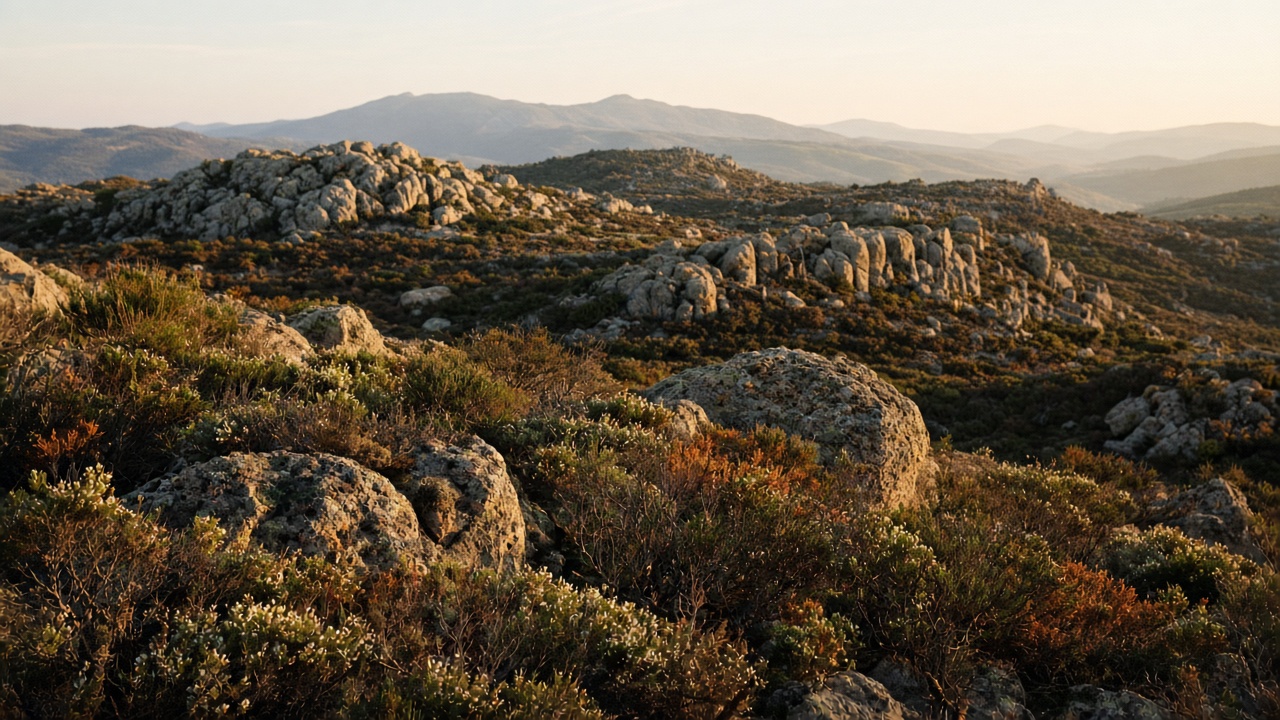
Natural landscape in Portugal — AI-generated illustration AI-generated illustration for Aunerys
Short answer

The Iberian lynx, reintroduced in the Guadiana valley, depends directly on rabbit abundance. Facts compiled on 4 November 2026.

Written by Sofia Mendes Facts compiled on 4 November 2026 Updated
Country fact sheet
Reference authority Instituto da Conservação da Natureza e das Florestas (ICNF)
Framework law Lei n.º 173/99 (Lei de Bases Gerais da Caça)
Decision level national
Licence The carta de caçador is obtained after an ICNF exam.
Facts compiled on 4 November 2026

Introduction

Hunting in Portugal takes place alongside protected species and sensitive habitats. This article sets out the conservation issues that frame the practice and the bodies that monitor them.

Conservation issues

The Iberian lynx, reintroduced in the Guadiana valley, depends directly on rabbit abundance. The protected Iberian wolf survives mainly north of the Douro.

Key species

Who decides what

ICNF manages hunting nationally. Most land is organised into hunting zones (zonas de caça): associative, tourist, municipal or national, each with an approved management plan.

Becoming a hunter

The carta de caçador is obtained after an ICNF exam. Hunters also need a firearm licence, insurance and an annual hunting licence valid for the relevant area.

Iberian lynx: 2024 census

The 2024 census, published on 22 May 2025, counts 2,401 Iberian lynx across the peninsula, up from 2,021 in 2023 (+19%). Portugal has 354 in the Guadiana Valley, against 291 in the previous census, about 14.7% of the total. Across Spain and Portugal, 214 lynx died in 2024, 162 of them in road collisions (RTP/Lusa, May 2025).

Turtle dove: a tightly regulated opening

Classified as vulnerable in Europe in 2017, the turtle dove is hunted only under a resolution of the Institute for Nature Conservation and Forests (ICNF) dated 22 May 2025: only on 24 and 31 August 2025, from sunrise to 11:00, with a national quota of 13,200 birds shared among eligible hunting zones. Each bird taken carries a numbered seal, and zones must carry out at least 3 of the 7 listed management measures and monitor the population along a 2.5 km transect. Hunting of this species had been suspended since 2021 (ICNF resolution).

Hunting zones and non-hunting areas

According to ICNF’s 2022–2023 hunting activity report (August 2023), the country has 5,302 hunting zones covering 6,973,660 ha, and 663 non-hunting-right areas covering 58,043 ha. The report counts 219,459 hunter card holders, down from 235,269 in 2020. The harvest figures it gives are provisional and incomplete: they do not allow any conclusion of a real decline in game (ICNF, August 2023).
Key figures

Frequently asked questions

What are the key species in Portugal?

Key species include red-legged partridge (Alectoris rufa), European rabbit (Oryctolagus cuniculus), wild boar (Sus scrofa).

Destination Portugal — hunting and nature →

Conclusion

Monitoring populations and the status of protected species is part of hunting in Portugal. Reference data are published by Instituto da Conservação da Natureza e das Florestas (ICNF) and the conservation bodies cited above.
Sources : ICNF — Caça; Diário da República — Lei n.º 173/99
The author Sofia Mendes Articles on hunting territories in Portugal, their habitats and regions. Editorial byline of the Aunerys desk. It does not attest to a verified local expertise. View profile →

Read next

German beech forest in autumn, soft light — AI-generated illustration AI-generated illustration for Aunerys
Ethics · 3 min

Wild boar and biodiversity in Germany: reading the stakes

Natural landscape in Czechia — AI-generated illustration AI-generated illustration for Aunerys
Ethics · 5 min

Hunting and biodiversity in Czechia: conservation issues

Natural landscape in Iceland — AI-generated illustration AI-generated illustration for Aunerys
Ethics · 4 min

Hunting and biodiversity in Iceland: conservation issues