Hunting landscapes
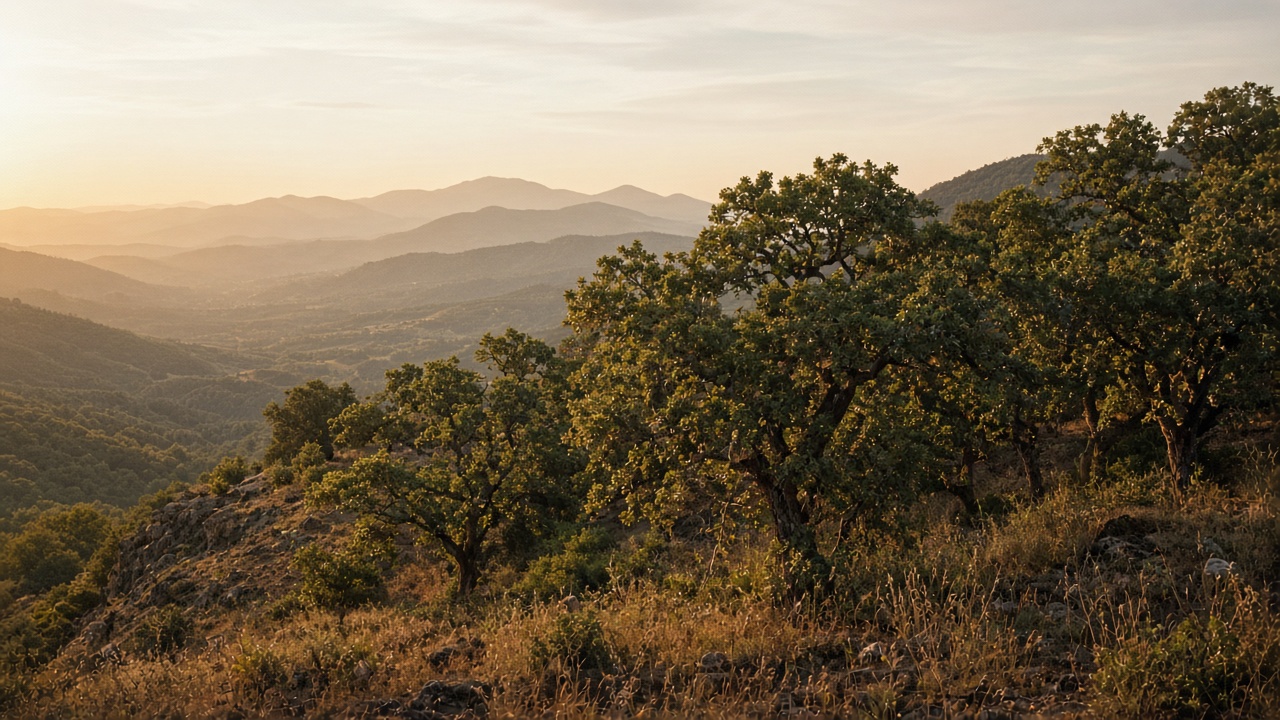
Italy runs from the Alps in the north to the Po plain, then follows the Apennine spine down to Sicily and Sardinia. Wooded hills, maquis and coastal wetlands provide a wide range of habitats.
Key species
- Wild boar (Sus scrofa)
- Roe deer (Capreolus capreolus)
- Eurasian woodcock (Scolopax rusticola)
Main hunting methods
- wild boar drive (braccata)
- selective culling (caccia di selezione)
Wildlife health
African swine fever has been present in mainland Italian wild boar since 2022 (Piedmont and Liguria, then other regions). An extraordinary commissioner coordinates measures, including hunting restriction zones.
A national framework, regional rules
Italian hunting rests on a framework law, Law No. 157 of 11 February 1992, which the regions and the autonomous provinces of Trento and Bolzano apply through their own texts and an annual calendar. ISPRA, the state technical body, issues opinions on these plans: on 30 January 2025, for example, it gave a favourable opinion (protocol No. 0005179/2025) on the wild boar removal plan of the Abruzzo region, under the national extraordinary plan against African swine fever. For a foreign hunter the consequence is simple: there is no single Italian calendar, but as many calendars as there are regions and autonomous provinces.
Land: protected areas, ATCs and access
According to a summary of Article 10 published by Caccia Passione in 2009, the share of agro-forestry-pastoral land set aside for total wildlife protection ranges from 20 to 30%, and up to 15% may go to private structures; the rest is programmed hunting. That summary is old and secondary: the text of Article 10 should be re-read on Normattiva. Within programmed hunting, Article 14 creates the ambiti territoriali di caccia (ATCs). The current text describes them as sub-provincial in size, ideally homogeneous and bounded by natural limits, a wording that bill S. 779 proposes to replace (Senate file). The same bill would give non-residents access to ATCs for 30 days in total per season nationwide, which suggests that access outside one’s own region is currently settled locally: check it ATC by ATC.
How many hunters, how much harvest
The Interior Ministry, whose data are relayed by the specialist press and quoted by Il Foglio (17 June 2026), counts 588,043 firearm licences for hunting in 2024, about 1% of the Italian population; a licence is not an active hunter. Sky TG24 (29 November 2024) reports a sharp fall in these licences between 2013 and 2023, without a figure. On harvest, the ISPRA report of 2 April 2025 covers the 2017-2018 to 2022-2023 seasons for 36 huntable bird species, with data from 19 regions and the two autonomous provinces; the 2023-2024 season is excluded because only five regions had sent their data. The song thrush is the most hunted species every season, and the skylark has the highest kills among passerines other than thrushes. Few regions report the share of harvest cards analysed; Campania is the only one to do so every season (52 to 78%). Totals should therefore be read with caution.
Wild boar: an agricultural and health issue
ISPRA’s national survey for 2015-2021 (press release) estimates at least 1.5 million wild boar in 2021. Culls rose by 45% over the period and average about 300,000 animals a year, of which about 257,000 in ordinary hunting and 42,000 in wildlife control operations. Agricultural damage ranges between 14.6 and 18.7 million euros a year, mainly in Abruzzo and Piedmont. The federation Federcaccia disputes the method behind these estimates (Caccia Passione, 30 January 2023): they are minimums, not a census. With African swine fever, management has tightened. In its opinion of 30 January 2025 on Abruzzo, ISPRA notes that young of the year made up only about 17% of culls on average in 2019-2022 and recommends about 60%; it approves evening and night outings from February 2025 to January 2026 and asks for active carcass searches. None of this replaces the order of the region where you hunt.
Reforms under discussion
Two parliamentary texts propose to amend Law 157. Bill S. 779 (Senator Amidei, announced on 28 June 2023, 17 articles) would affect the calendar (from early September to late February for some migratory species), the Tuesday and Friday hunting silence, ATC access and derogations. Bill 1552 (Senator Malan, presented on 20 June 2025, at report stage since 27 May 2026) would make ISPRA’s opinion advisory, according to an Il Foglio column of 17 June 2026, which is an opinion and not an official source. These texts remain proposals: check their status on the Senate website before leaving.