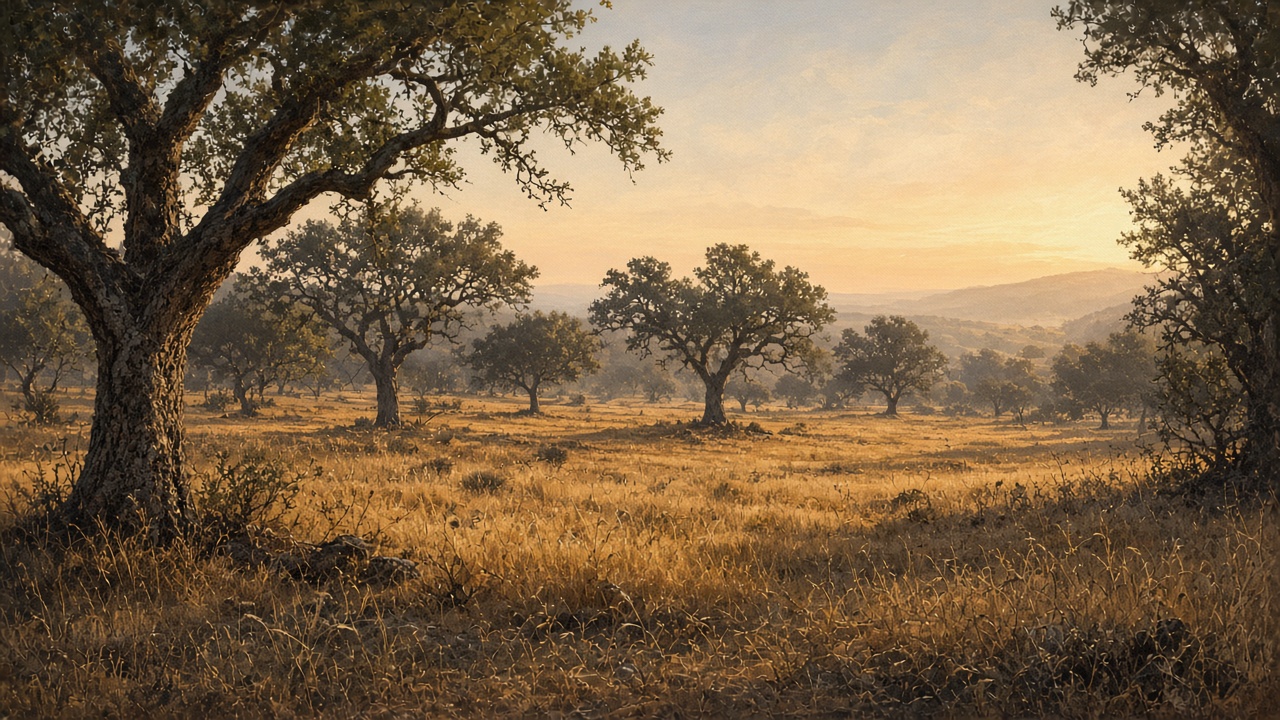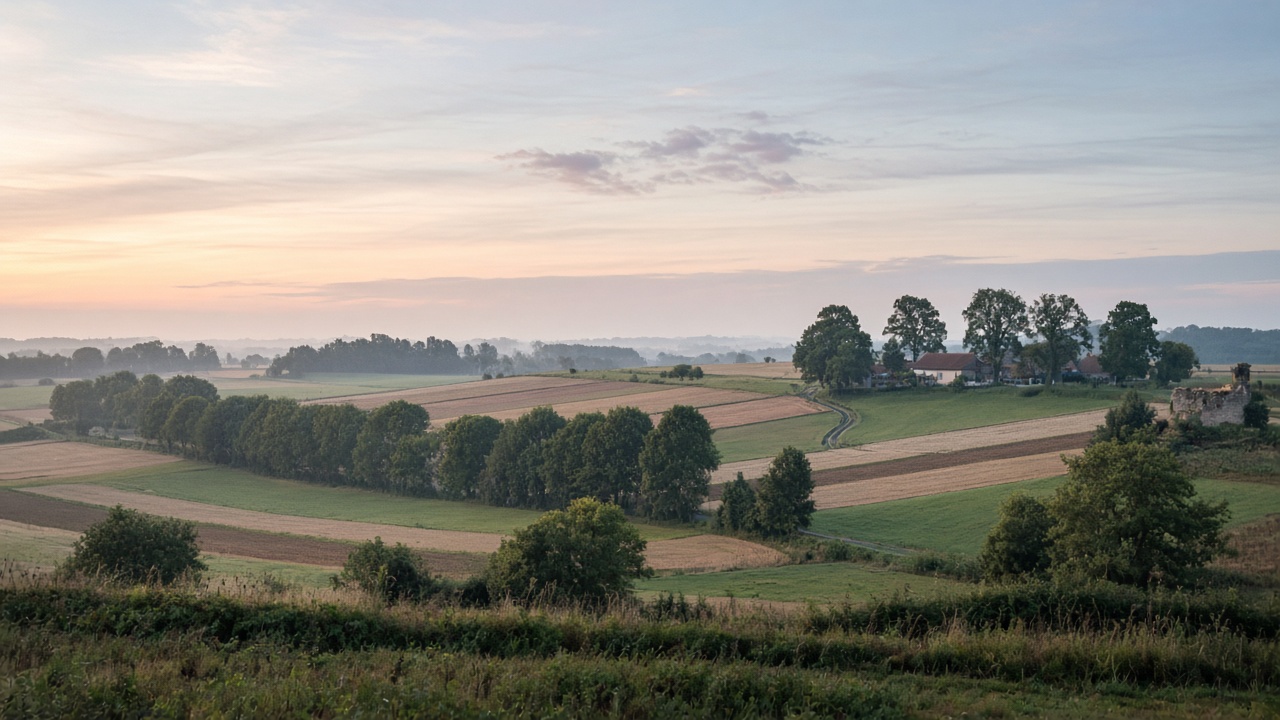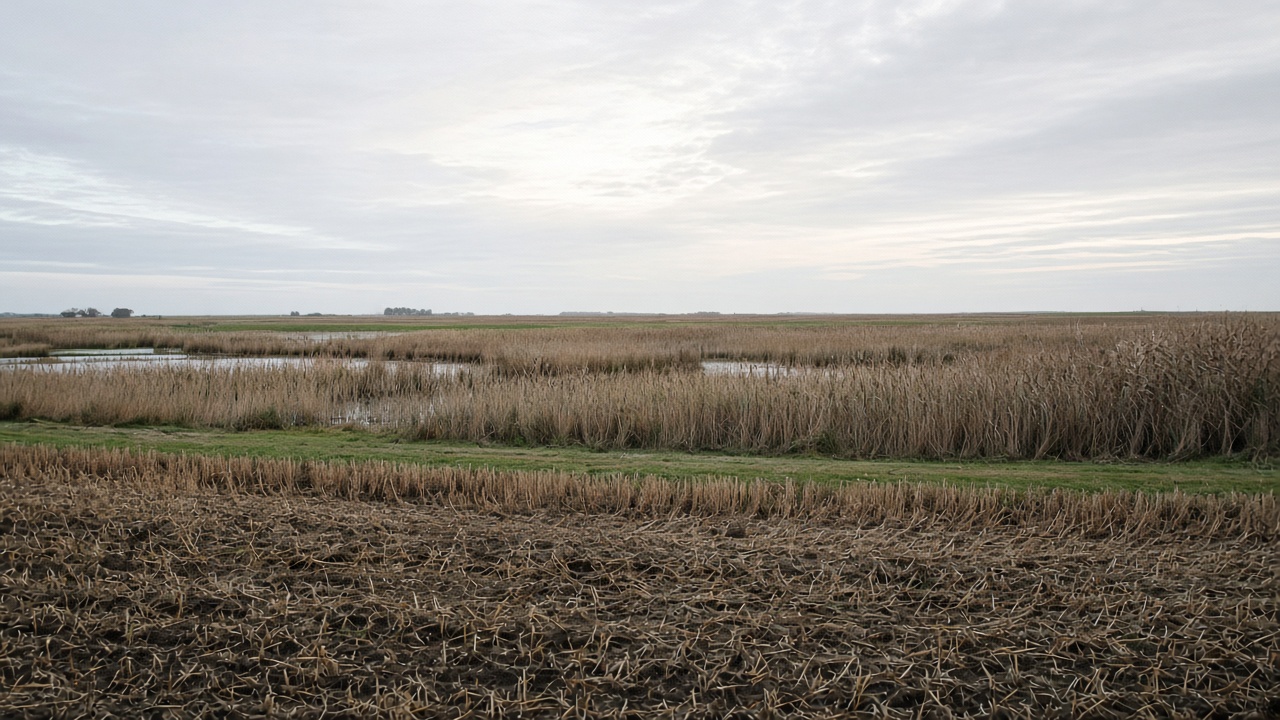
Hunting landscapes
Denmark is heavily farmed, and hunting takes place in fields, hedgerows, small woods and the plantations of Jutland. Fjords, coasts and wetlands host significant waterfowl hunting.
Key species
- Roe deer (Capreolus capreolus)
- Red deer (Cervus elaphus)
- Common pheasant (Phasianus colchicus)
Main hunting methods
- driven hunt for small and big game (trykjagt)
- waterfowl hunting (andejagt)
Conservation issues
The wolf returned naturally to Denmark in 2012 and is strictly protected. Wetlands of the Wadden Sea and the Limfjord are major sites for migratory birds, with reserves where hunting is limited.
Who holds the hunting right in Denmark
In Denmark the hunting right is private: section 14 of the Hunting and Wildlife Management Act (Jagt- og vildtforvaltningsloven, consolidated LBK 639 of 2023) gives it to the landowner, and section 13 bars anyone from hunting without the right-holder’s consent. The section numbers come from Chapter 3 of the Act as reproduced by NetNatur, a hunters’ site; check them against the official text on Retsinformation before acting on them.
The same chapter sets precise area thresholds. Nobody may hunt on a contiguous parcel under 1 ha; below 5 ha only the owner (or the user of the land) and their household may hunt, unless an agreement pools the parcel with neighbouring land (section 18). Shooting is barred within 50 m of a dwelling without the occupant’s consent (section 19) and on or from a public road or path (section 16). An animal shot on your own ground that falls on a neighbour’s land is not to be collected: you notify the owner (section 17). Finally, the hunting right cannot be sold apart from the land, but the owner may transfer it for up to 30 years at a time (section 20), which is what makes hunting leases possible.
What the 2024/25 season delivered
According to the national centre DCE at Aarhus University (note 2025|41, provisional figures), Danish hunters reported 1,674,734 animals in 2024/25, 4.6% more than the 1,601,358 of 2023/24 (also provisional), with a reporting rate of 91.3%. The rise comes mainly from birds: 577,122 pheasants (+4.0%) and 350,437 mallards (+11.9%).
Among large game, roe deer remains the benchmark species at 66,842 animals (−2.2%), reported by 32,747 hunters. Red deer rose 13.0% to 12,400 animals (6,654 hunters) and fallow deer 21.3% to 15,081 (7,675 hunters). Sika (626) and wild boar (174, by 64 hunters) stay marginal. On the small-game side, 27,077 hares (−6.2%) and 24,256 foxes (+2.1%) were reported. For context, the 2023/24 roe deer bag (68,380) was already described by the farming press as its lowest in more than thirty years (LandbrugsAvisen, 3 July 2025, secondary source).
Hunters, licences and foreign guests
According to the Danish Environmental Protection Agency (Miljøstyrelsen), 166,891 hunting licences (jagttegn) were paid for in 2024, against 171,969 in 2023, out of 220,943 people entitled to one. That year 3,555 of 7,155 registered candidates passed the hunter exam (52%). Order no. 238 of 27 February 2025, in force since 2 March 2025, governs the licence, including compulsory liability insurance and annual reporting of the bag.
A non-resident applies for a guest hunting licence (gæstejagttegn): Miljøstyrelsen announces up to four weeks of processing, longer for applicants from outside the EU or who are not Danish citizens, with the police’s consent required; payment comes only after review, through a personal link sent by e-mail. Anyone who held a licence the previous season must first report their bag. And in practice the licence is not enough: section 14 still requires the landowner’s consent for each piece of land.