Hunting landscapes
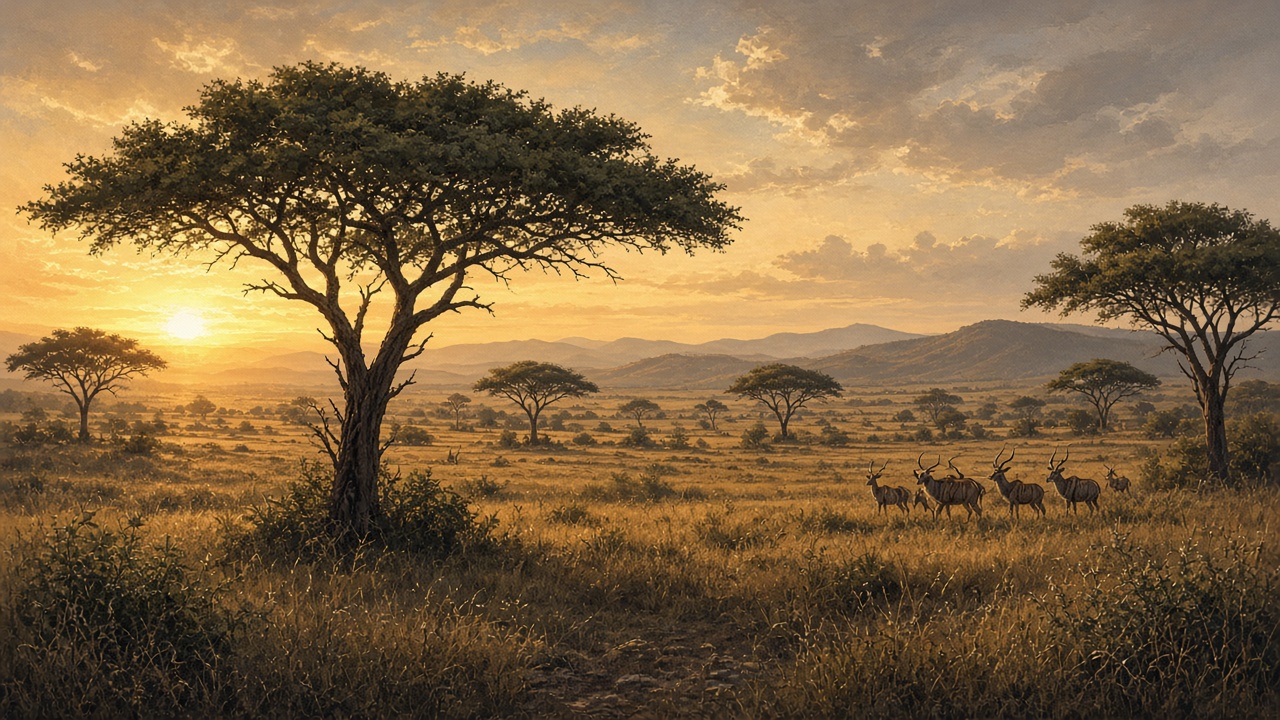
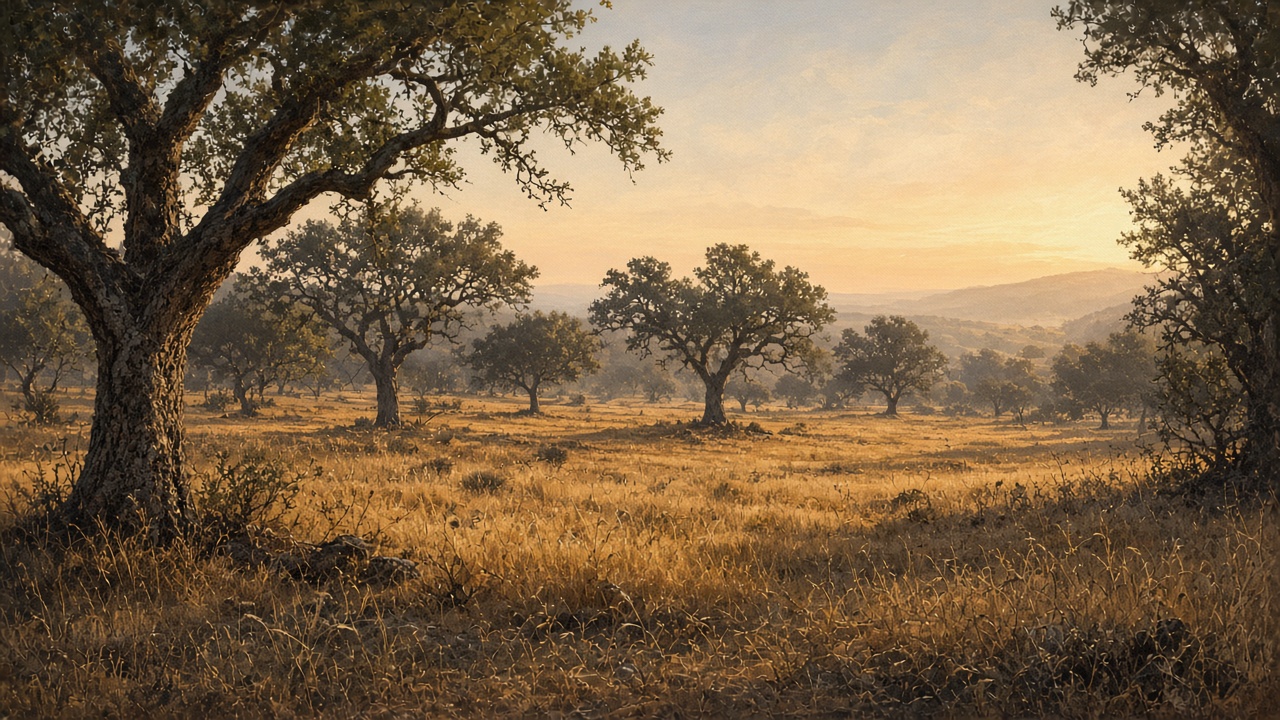
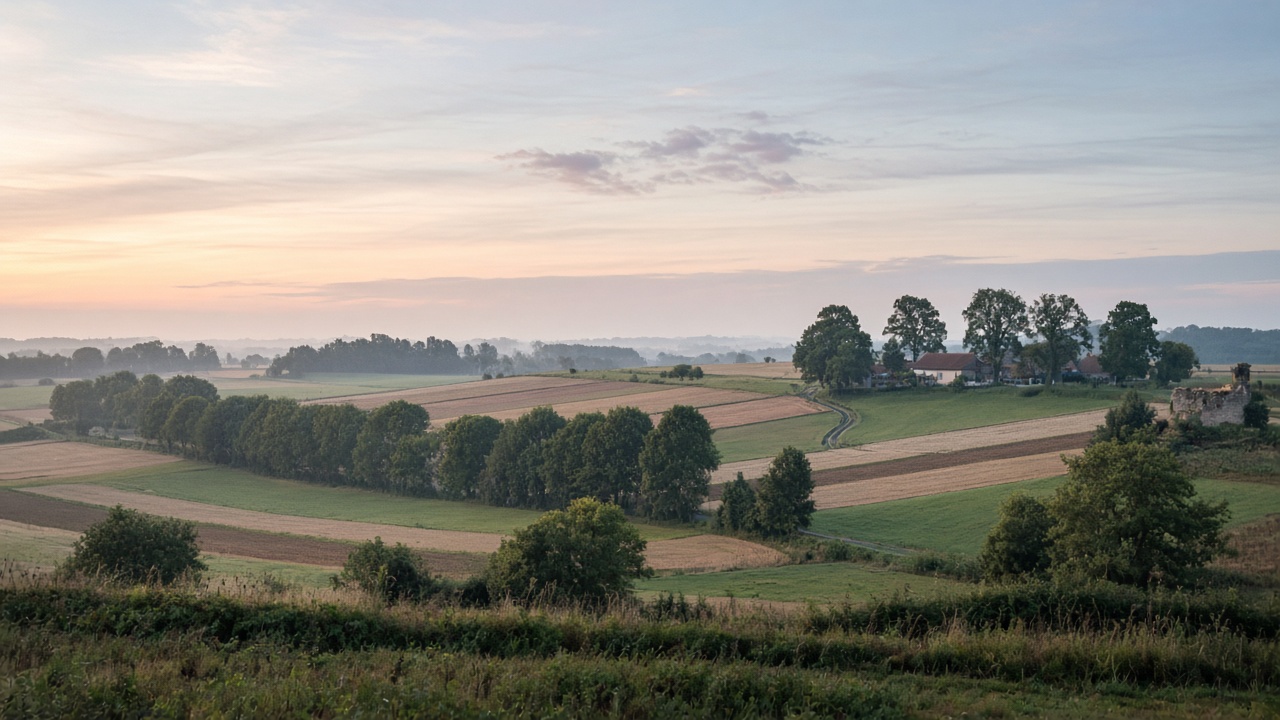
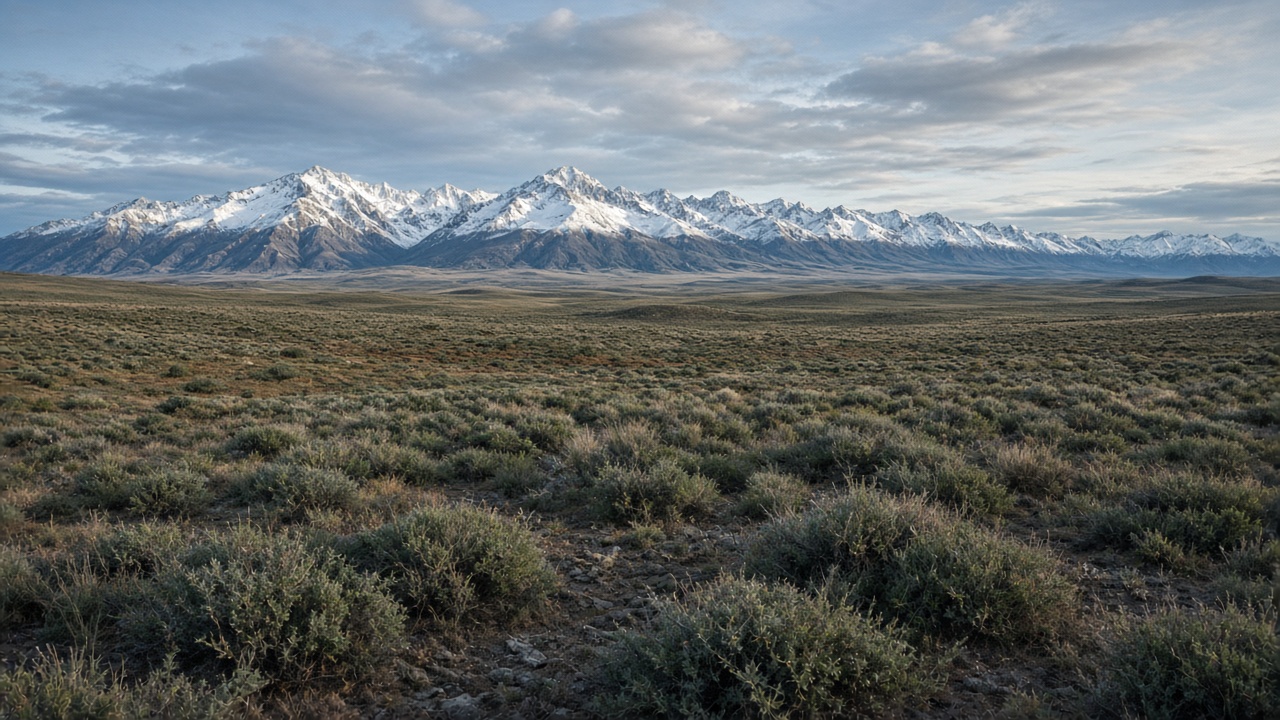
Argentina runs from the dry Chaco forests in the north to the Patagonian steppe in the south, through the farmed pampas. Andean forests in Neuquén and the province of La Pampa hold introduced red deer.
Key species
- Red deer (Cervus elaphus)
- Eared dove (Zenaida auriculata)
- Wild boar (Sus scrofa)
Main hunting methods
- dove shooting (caza de palomas)
- rut hunting (caza en brama)
Wildlife health
The health conditions for a trophy or for game meat are asked of the competent authority at the time of travel.
Becoming a hunter
Hunters obtain a licence in each province where they hunt. Firearm ownership falls under the national firearms agency (ANMaC, now RENAR), with a legitimate user authorisation.
Who decides: the province first, the State for national parks
Argentina’s national wildlife conservation law, Ley 22.421 of 1981, sets the framework, but permission to hunt is requested from the authority of the territory concerned: the provincial wildlife directorate, or the National Parks Administration (APN) in the areas it manages. The Ministry of Justice’s “Derecho Fácil” page, which points to Decree 666/1997, summarises the conditions for sport hunting: authorisation from the authority where you hunt, a sport-hunting licence valid nationwide, the RENAR firearms-user credential, an exam and payment of a fee. It also lists the prohibitions: hunting in reserves or sanctuaries, from a motor vehicle, with artificial light, with automatic or semi-automatic weapons, with infrared sights or silencers. Hunting a species whose capture is prohibited is a criminal offence punishable by up to two years in prison; other infringements can bring a fine, suspension or cancellation of the licence, confiscation of the game or seizure of the weapons.
Private land: the owner’s consent is the rule
The same page states that sport hunting on private property is allowed only with the owner’s permission, in State hunting areas where it is not prohibited, or in hunting estates (cotos de caza). For a visitor, this means checking the owner’s consent and the permit of the province concerned before departure.
National parks: a tightly regulated exception
Ley 22.351, enacted on 5 December 1980 and published in the Official Gazette on 12 December 1980, prohibits “hunting and any other action on wildlife” in national parks (art. 5, point f), except for biological, technical or scientific reasons. For national reserves, article 10 (point c) bans hunting and the introduction of exotic species but allows sport hunting in defined areas, only for exotic species already present, under the authority’s regulation. That covers red deer and wild boar, which the APN describes as invasive exotic species controlled through sport hunting in the Lanín and Nahuel Huapi parks (Neuquén).
Access is through public auctions of hunting turns. According to the APN note of 20 November 2025 (resolution 388/2025), the 2025 auctions took place on 27 November in San Martín de los Andes for Lanín (16 areas, starting prices from 179,000 to 4,548,000 pesos depending on turn and location) and on 28 November in Villa Traful for Nahuel Huapi, where the Lago Nuevo area ranged from 6,650,000 to 14,000,000 pesos. Further costs apply for permits, fees and seals. These peso amounts, dated November 2025, do not apply to the following season. Since the 2021 season, APN resolution 417/2019 (18 September 2019) has banned lead bullets for sport hunting in these two parks.
A provincial zoning example: Córdoba, 2025-2026
Each province runs its own season. Córdoba’s Secretariat for the Environment opened sport hunting of big game (wild boar, red deer, axis deer and fallow deer) from 17 June 2025 to 17 June 2026, with a three-zone map: a red zone of total closure, including a radius of at least 5 km around the municipalities of Córdoba city, Villa María, San Francisco and La Francia and lake shores up to 1 km from the maximum level; a yellow zone where only smoothbore weapons are allowed; and a green zone where rifles and smoothbores are both permitted. That season has ended: check the next one with the province.
La Pampa: hunting geared to foreign visitors
According to La Pampa’s deputy director of wildlife, Federico Pelizzari, quoted by Revista Aire Libre on 11 February 2025, more than 1,200 foreigners came to hunt in the province in 2024, with more than 11,000 permits issued, mostly from the United States but also from Spain, France, Germany, Brazil and Uruguay. Wild boar and red deer are allowed; on category 1 and 2 land, estates may also offer axis deer, fallow deer, mouflon and buffalo. This is a press source, to be cross-checked with the provincial wildlife directorate.
Key figures
| National wildlife law | Ley 22.421 (1981); Decree 666/1997 (argentina.gob.ar) |
|---|---|
| National parks law | Ley 22.351, enacted 5 Dec. 1980, published 12 Dec. 1980 |
| Hunting in national parks | Prohibited except for biological, technical or scientific reasons (art. 5 f) |
| National reserves | Sport hunting of exotic species already present, defined areas (art. 10 c) |
| Lanín auction, 27 Nov. 2025 | 16 areas; starting prices 179,000 to 4,548,000 pesos (APN) |
| Nahuel Huapi auction, 28 Nov. 2025 | Lago Nuevo: 6,650,000 to 14,000,000 pesos (APN) |
| Lead bullets | Banned in sport hunting at Lanín and Nahuel Huapi since 2021 (res. 417/2019) |
| Córdoba | Season 17 June 2025 to 17 June 2026; three zones |
| La Pampa, 2024 | More than 1,200 foreign hunters, more than 11,000 permits (press, 2025) |
Sources: Derecho Fácil – Caza; Ley 22.351; APN, hunting auctions Lanín and Nahuel Huapi; APN resolution 417/2019; Córdoba, annex II; Revista Aire Libre.